
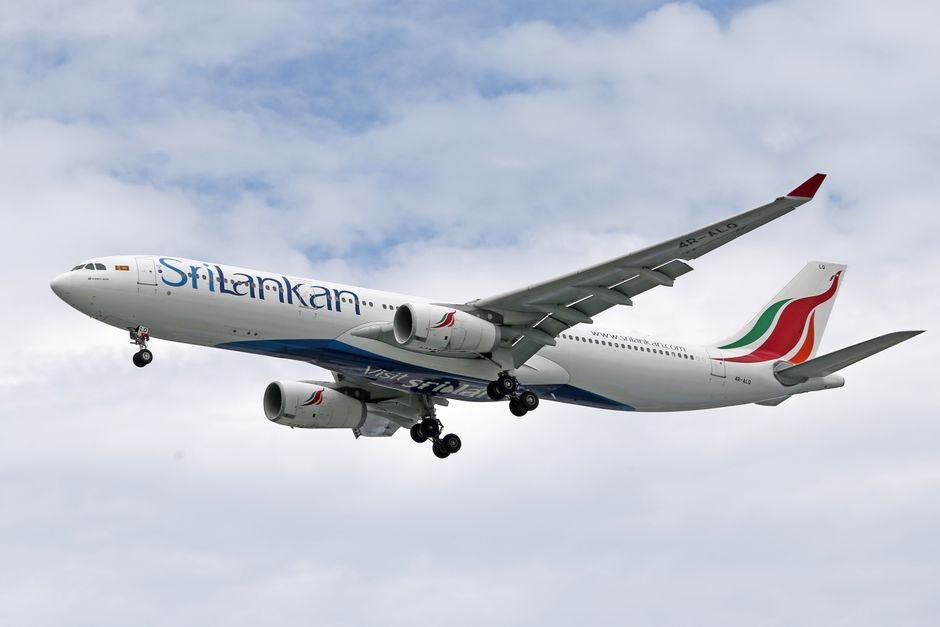
A striking contrast between inbound hospitality and outbound global mobility has been revealed in the latest data from Passport Reports. Sri Lanka has secured the 35th position among 199 countries in the global Welcoming Ranking, demonstrating its open door policy for international visitors. However, the Sri Lankan passport continues to face significant mobility constraints, ranking 170th globally with a Mobility Score of 53.

Key Highlights
- High Inbound Openness: Sri Lanka ranks 35th worldwide in hospitality, allowing easy access to travelers from across the globe.
- Global Mobility Ranking: The Sri Lankan passport ranks 170th out of 199 nations, providing visa-free or facilitated access to just 26.8% of the world.
- Reciprocity Gap: Citizens from 135 countries can enter Sri Lanka visa-free or with automated permissions, even though Sri Lankans require visas to visit those same nations.
- Regional Access Variance: Sri Lankans enjoy the highest travel access in the Caribbean (50%) and Africa (46.3%), but face complete visa barriers across Europe, the Gulf, and the Middle East.
The latest figures highlight a sharp dichotomy between Sri Lanka’s border openness and the travel freedom afforded to its citizens. Out of 199 destinations evaluated, Sri Lankan passport holders can access only 53 destinations without a traditional pre-arranged visa. This mobility profile includes 16 visa-free destinations, 33 visa-on-arrival or eVisa arrangements, and 4 Electronic Travel Authorization (eTA) categories. A total of 145 destinations worldwide still require a full visa prior to travel.
Regional Breakdown and Visa-Free Destinations
Within Asia, Sri Lanka ranks 40th among 50 passport issuers, offering total regional access of 24.5%. Regional mobility is highest in the Caribbean (50% access), followed by Africa (46.3%), Oceania (42.9%), and Central Asia (40%). Conversely, Sri Lankan passport holders face a total access score of 0.0% across Europe, the Middle East, and the Gulf Cooperation Council (GCC) nations, with visas mandatory for all 47 European, 17 Middle Eastern, and 6 Gulf destinations.
Popular visa-free destinations for Sri Lankans include Barbados and Dominica (up to 180 days stay), Vanuatu (120 days), and the Bahamas, Gambia, Grenada, Haiti, Kiribati, Saint Vincent and the Grenadines, and Venezuela (90 days). In Southeast Asia, Thailand allows visa-free access for 60 days with an arrival card, while Singapore offers 30 days visa-free entry. Key facilitated entry destinations include India, Malaysia, Vietnam, Nepal, and the Maldives, where eVisas or visas-on-arrival are readily available.
The Reciprocity Imbalance
A major factor driving Sri Lanka’s high Welcoming Ranking is its asymmetric visa policy. Passport Reports highlights a significant reciprocity deficit: Sri Lanka allows frictionless entry—via visa-free travel, eVisas, or visas on arrival—to travelers from 135 countries whose governments demand full, pre-approved visas from Sri Lankan citizens. In contrast, only five countries—Côte d’Ivoire, Madagascar, Nigeria, Uzbekistan, and Tanzania—grant Sri Lankans easier entry than their own citizens receive when visiting Sri Lanka.
Among contextual metrics, Sri Lanka ranks 53rd out of 56 member countries in the Commonwealth and 114th among 132 nations in the G77 group. As the country looks to expand tourism and strengthen international diplomatic ties, addressing this mobility gap remains a key focal point for international policy observers.