
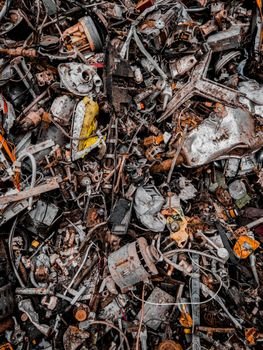
Sri Lanka’s decision to seek parliamentary approval for new regulations governing the export and import of scrap metal reflects a complex intersection of economic ambition and structural vulnerability. This move, aimed at streamlining both ends of the scrap metal trade, raises critical questions about the long-term sustainability of this sector and its implications for local industries and the environment.

The pressing need for regulation comes amidst a backdrop of fluctuating global demand for scrap metal, a sector characterized by its unpredictable nature. Improved control measures could enhance compliance, ensuring that exports align with international standards and that imports don’t undermine local manufacturing. However, the effectiveness of such regulations hinges on their execution and enforcement within an already strained bureaucratic system.
One cannot overlook the potential economic ramifications of this initiative. The scrap metal industry has the potential to generate significant revenue. However, without a clear framework that balances profit with ecological considerations, Sri Lanka risks repeating past mistakes. The pressures on natural resources and waste management systems must be addressed, as uninhibited scrap metal trading can exacerbate environmental degradation.
Moreover, while regulatory frameworks are crucial, the effectiveness of these proposed rules may ultimately depend on the political will behind them. The realities of bureaucratic slowdowns and potential corruption could hinder any immediate positive effects of these regulations. As the parliament deliberates, stakeholders—from local businesses to environmental advocates—must be vigilant in ensuring that the process does not simply serve as a façade for continued exploitation.
In summary, while Sri Lanka’s pursuit of parliamentary approval for new scrap metal export and import regulations highlights a proactive stance towards economic management, it is imperative to scrutinize both the motivations behind this move and the prospective outcomes. A robust regulatory framework could foster economic growth and sustainability, but only if implemented with careful consideration of the broader implications for the country’s resources and environment.