
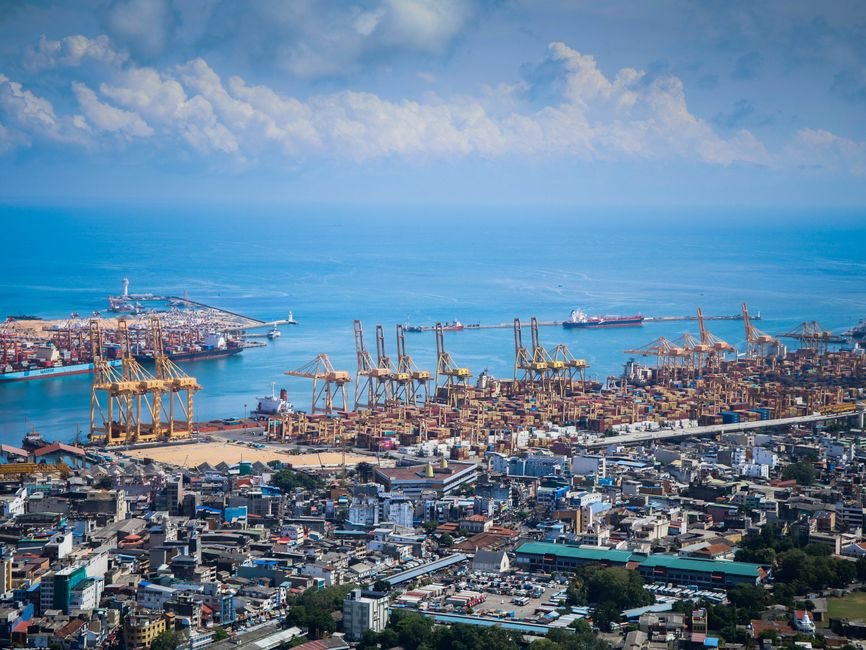
Sri Lanka is positioning itself as a central contender to become a premier blue economy hub in the Indian Ocean region. Leveraging its strategic geographic location along major international maritime trade routes, the island nation is prioritizing sustainable marine resource management, expanded maritime infrastructure, and regional ocean governance at the forefront of its economic growth strategy. The development highlights a pivotal shift toward maximizing ocean-based economic potential while safeguarding marine ecosystems.

The blue economy framework encompasses a broad range of sectors, including sustainable fisheries, maritime transport, coastal tourism, marine biotechnology, and renewable ocean energy. For Sri Lanka, establishing leadership in this arena involves strengthening port logistics, enhancing maritime security cooperation, and fostering investments in sustainable coastal development. By aligning national economic policies with ocean sustainability, the nation aims to catalyze trade and investment across the Indian Ocean basin.
Key Developments
- Strategic Maritime Positioning: Capitalizing on key shipping corridors to serve as a focal transit and commerce center in the Indian Ocean.
- Focus on Sustainable Growth: Balancing commercial marine expansion with ocean conservation, fisheries management, and eco-tourism.
- Regional Leadership Ambitions: Enhancing ocean governance and maritime infrastructure to anchor broader regional economic integration.
As interest in ocean-centric development grows globally, Sri Lanka’s targeted focus on maritime industries underlines the critical role of ocean resources in driving resilient economic progress. The successful execution of its blue economy ambitions will depend on sustained investment, international cooperation, and effective environmental management across its coastal and marine domains.