
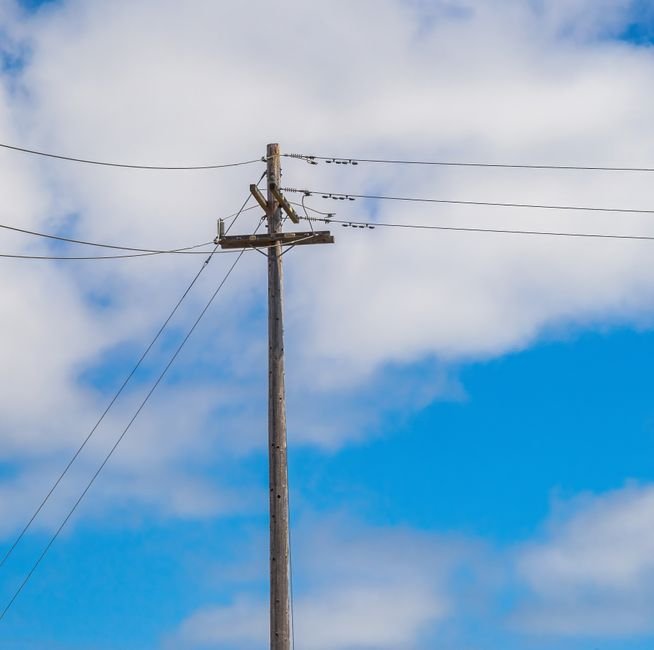
In a historic overhaul of its power sector, Sri Lanka has officially dissolved the state-run Ceylon Electricity Board (CEB), replacing the long-standing monopoly with six distinct corporate entities. The sweeping structural reforms aim to streamline utility management, reduce public debt, and improve efficiency across the nation’s grid.

Key Highlights
- The state power monopoly, Ceylon Electricity Board (CEB), has been unbundled into six specialized companies.
- The restructuring separates power generation, transmission, and regional distribution functions.
- Reforms are designed to curb massive financial losses and attract private renewable energy investments.
- The move fulfills key conditions tied to international economic relief and utility modernization efforts.
For decades, the CEB managed Sri Lanka’s entire power pipeline—from generation to distribution—accumulating severe operational deficits that contributed heavily to the nation’s recent economic crisis. Under the new framework, each of the six replacement companies will operate independently with dedicated operational mandates, bringing heightened fiscal transparency and better governance to the energy grid.
Government officials and industry analysts expect the unbundling to accelerate Sri Lanka’s transition toward renewable energy by inviting private capital into generation and modernizing power infrastructure. The restructuring marks a vital step in stabilizing the island nation’s energy supply and laying the groundwork for sustainable economic recovery.