
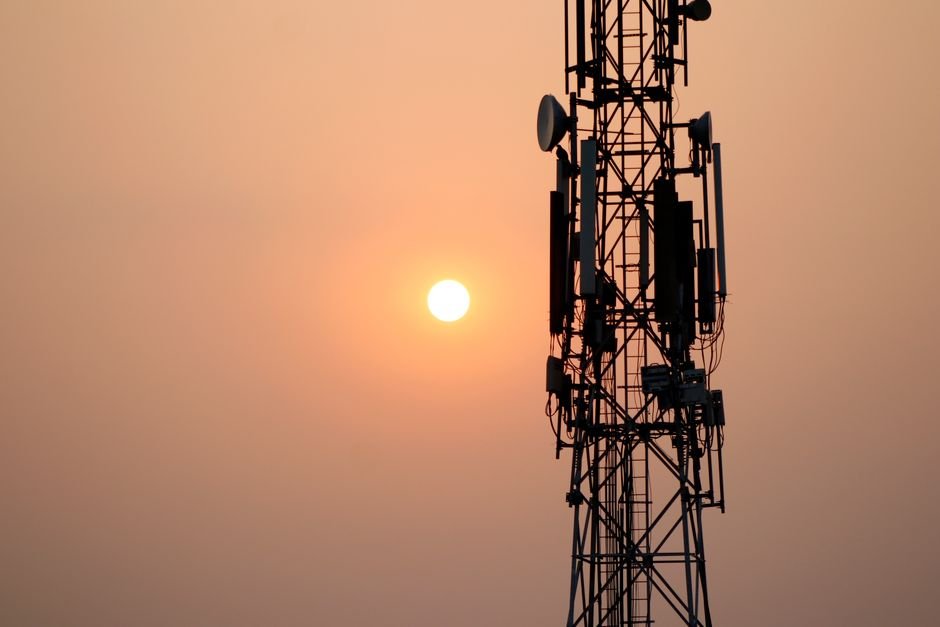
In a major effort to modernize telecommunications oversight and optimize national digital infrastructure, the Telecommunications Regulatory Commission of Sri Lanka is taking key steps to implement a specialized Spectrum Management and Monitoring System alongside an integrated Quality of Service and Quality of Experience framework. The strategic initiative aims to strengthen regulatory oversight, protect radio frequency assets, and elevate service standards for consumers nationwide.

The deployment of the advanced Spectrum Management and Monitoring System will enhance the nation’s capacity to allocate, monitor, and safeguard vital radio frequency channels. Because radio spectrum serves as a critical national resource supporting mobile communication, wireless data, broadcasting, and critical safety services, automated real-time monitoring will enable swift identification of signal interference, prevent unauthorized frequency usage, and ensure efficient spectrum utilization across service providers.
Complementing the spectrum oversight initiative, the rollout of dedicated Quality of Service (QoS) and Quality of Experience (QoE) measurement systems targets the direct assessment of telecommunication network reliability and customer satisfaction. While Quality of Service measures objective operational metrics—such as network uptime, packet delivery, and signal stability—the Quality of Experience framework evaluates performance from the perspective of end-users, tracking actual connection speed and service continuity.
Key Developments
- Spectrum Management & Monitoring: Deployment of specialized infrastructure to monitor radio frequencies, resolve signal interference, and optimize spectrum allocation in Sri Lanka.
- QoS & QoE Systems: Implementation of comprehensive metrics systems to measure both technical network efficiency and end-user subscriber satisfaction.
- Regulatory Enforcement: Enhanced capabilities for the Telecommunications Regulatory Commission of Sri Lanka to set operational benchmarks and enforce regulatory compliance among service providers.
As demand for high-speed digital connectivity continues to expand across business, education, and consumer sectors, establishing robust monitoring apparatuses remains essential. By pairing automated spectrum surveillance with empirical service quality benchmarks, the Telecommunications Regulatory Commission of Sri Lanka is building a stronger regulatory foundation to foster fair industry competition and deliver dependable connectivity across the island.