

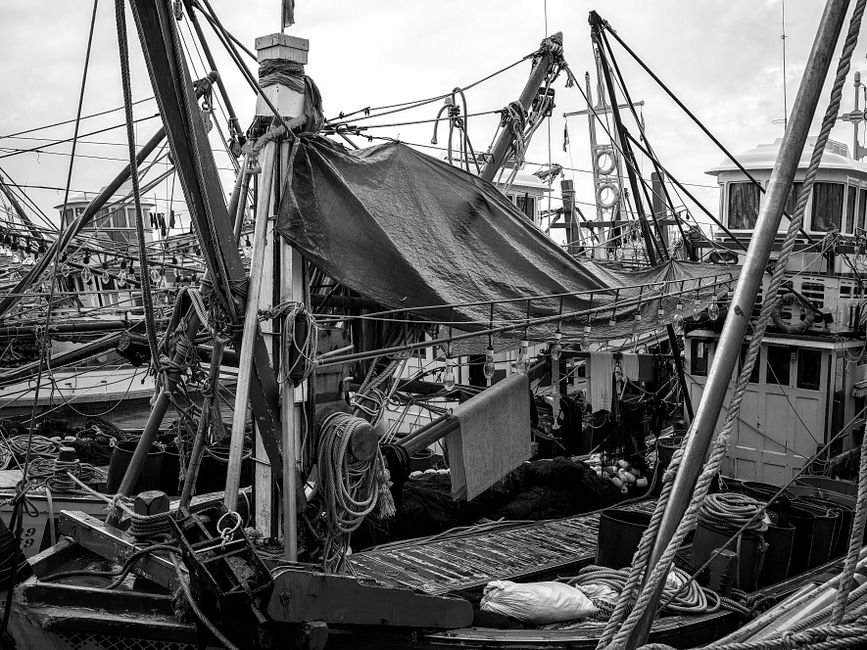
Sri Lanka is losing an estimated 40 percent of its total fish production to post-harvest waste, underscoring critical deficiencies across the island nation’s handling, cold storage, and distribution networks. The substantial loss severely impacts the domestic seafood supply and curtails potential earnings across the commercial fishing industry.

Post-harvest loss in the fisheries sector occurs along multiple stages of the supply chain, beginning at sea during catch handling and extending through harbor offloading, transportation, and retail distribution. Without adequate preservation systems and efficient logistics, a significant portion of marine and inland catches deteriorates before reaching consumers or processing facilities.
Key Developments
- Approximately 40 percent of harvested fish in Sri Lanka is lost due to post-harvest inefficiencies.
- Deterioration occurs primarily across handling, transit, and inadequate cold-chain infrastructure.
- The volume of discarded catch constrains national food security and reduces revenue for coastal fishing operations.
Minimizing post-harvest losses remains vital for stabilizing domestic fish prices and boosting economic output without requiring an unsustainable increase in fishing efforts. Mitigating these systemic losses will depend heavily on modernizing harbor storage facilities, adopting improved chilling techniques onboard vessels, and strengthening transport infrastructure linking coastal hubs to central markets.