
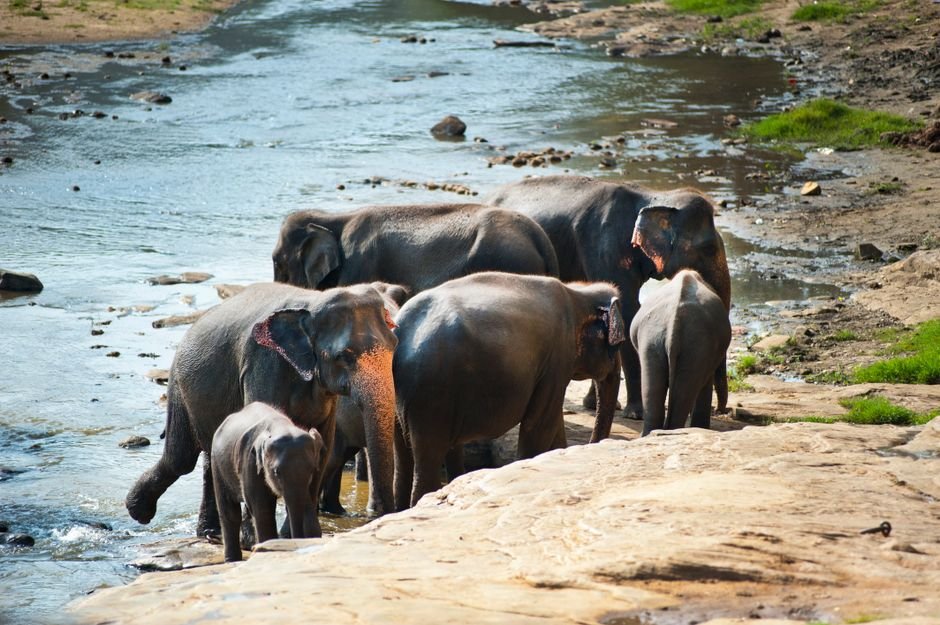
Sri Lanka has captured global attention once again as international spotlight turns to the island nation’s extraordinary natural heritage, celebrating its status as one of the world’s premier wildlife paradises. Renowned for its dense biodiversity, expansive protected habitats, and unique ecosystems, the country continues to draw widespread acclaim for sustaining a remarkably rich spectrum of flora and fauna within a compact geographical footprint.

The island nation’s reputation as a sanctuary for wildlife stems from its highly diverse climate zones and landscapes, ranging from tropical rainforests and coastal marine sanctuaries to dry-zone scrublands and highland cloud forests. These varied habitats provide essential refuge for numerous species, making environmental conservation and eco-tourism key pillars of the nation’s regional identity and natural heritage appeal.
Beyond its ecological value, Sri Lanka’s wildlife sector serves as a vital focal point for global conservation discussions and sustainable tourism initiatives. Environmental managers and international nature enthusiasts consistently emphasize the imperative of balancing habitat protection with responsible travel to ensure the long-term preservation of these fragile ecosystems.
Key Developments
- Global recognition spotlights Sri Lanka’s status as a top-tier destination for wildlife and nature tourism.
- Diverse ecological zones across the island support rich natural habitats and unique native biodiversity.
- Sustainable environmental management remains central to protecting fragile ecosystems and boosting natural heritage profile.
As global emphasis on environmental preservation and biodiversity conservation increases, Sri Lanka’s distinct natural landscape reinforces its standing as an ecological hub. Moving forward, sustained commitments to habitat stewardship will be critical in safeguarding the island’s natural treasures for future generations.