
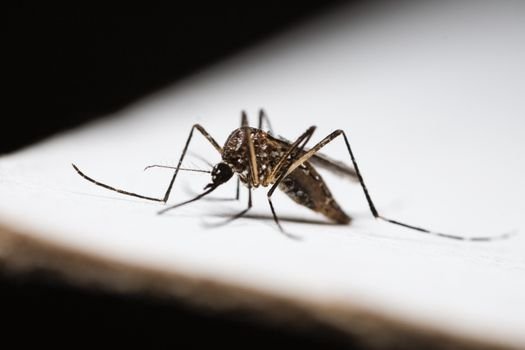
Sri Lanka is grappling with its most severe dengue outbreak in a decade. The staggering increase in dengue cases highlights the dire public health challenges that continue to plague the island nation. As the Ministry of Health noted, approximately 25,000 cases of dengue have been reported this year alone. The clinical ramifications are alarming, with recent data indicating that at least 130 individuals have succumbed to the disease.

To comprehend the implications of this crisis, one must examine the broader context of Sri Lanka’s healthcare infrastructure. The country has seen an uptick in mosquito-borne diseases, and dengue fever, in particular, highlights systemic failures in public health management. The dengue outbreak can be viewed as a symptom of environmental neglect, stemming from inadequate waste management and urban planning. The proliferation of stagnant water, where mosquitoes breed, underscores a pressing need for effective sanitation policies and community education around disease prevention.
The government’s response has come under scrutiny. Health officials have launched awareness campaigns and conducted mosquito control measures. However, given the high incidence of cases, one must question whether these efforts are sufficient. It appears that proactive measures have been overshadowed by reactive responses. While educational programs are essential, they cannot replace the need for a comprehensive public health strategy that addresses environmental factors contributing to these outbreaks.
Data from various regions across Sri Lanka reveal that some areas are disproportionately affected, with communities bearing the brunt of the healthcare system’s inadequacies. The urban-rural divide in access to medical care, particularly in remote areas, exacerbates the crisis. Residents may lack timely medical treatment, facing delays that can prove detrimental, especially in severe cases of dengue.
Internationally recognized standards for dengue control necessitate continued surveillance, vector control, and community involvement. Sri Lanka’s struggle with this outbreak serves as a clarion call for renewed investment in health infrastructure and disease management strategies. As countries worldwide face similar health challenges, the lessons learned from Sri Lanka’s experience with dengue could serve as a guide—or a warning—on how not to ignore the signs of impending public health crises.
The current outbreak is not merely a health issue but a multi-faceted problem intertwined with governance, environmental policy, and public accountability. Without addressing these interlinked factors, Sri Lanka risks not only repeating past mistakes but also facing future outbreaks that could overwhelm an already compromised healthcare system. As the community grapples with the immediate toll of the dengue outbreak, long-term strategies must emerge to ensure the health and safety of the population.