
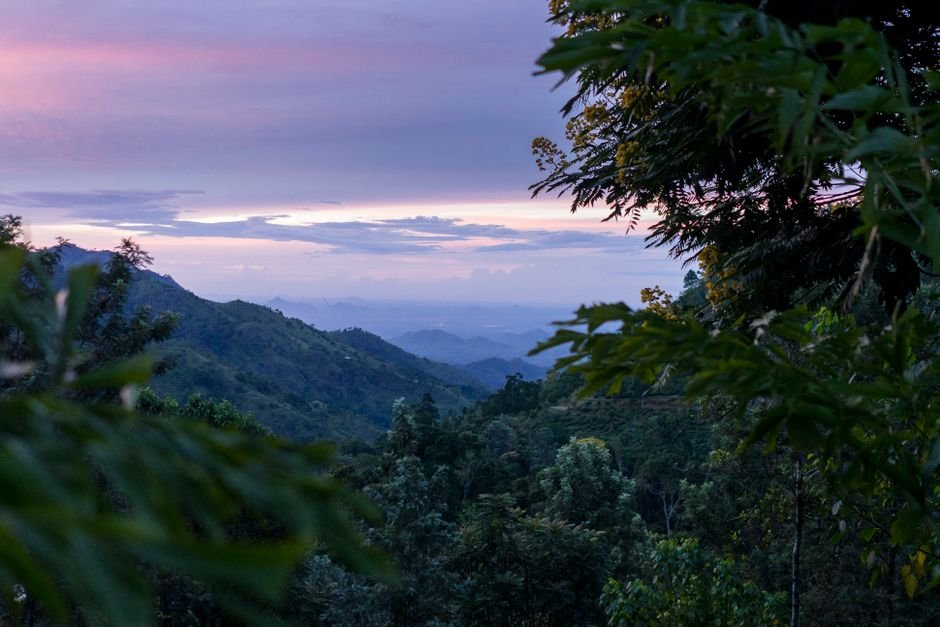
In a landmark development for regional conservation, 20 vital forests across Sri Lanka have been officially brought under protected status. The decision marks a significant advancement in environmental stewardship, securing crucial ecosystems that serve as indispensable natural barriers against ecological degradation. By granting formal protection to these designated zones, the initiative establishes a comprehensive framework to safeguard the island’s invaluable natural heritage for future generations.

These 20 forested areas function as silent guardians of the environment, playing an essential role in sustaining regional hydrological systems, protecting wildlife populations, and stabilizing the local climate. As natural watersheds, these forests collect, filter, and regulate water flow, maintaining fresh water supplies essential for surrounding communities and agricultural landscapes. Furthermore, their dense canopy coverage and diverse habitats provide safe havens for endemic fauna and flora, preserving delicate biological networks that are increasingly vulnerable to human encroachment and habitat fragmentation.
Key Developments
- Ecosystem Safeguards: Official protection status granted to 20 key forest sites across Sri Lanka to halt habitat loss and environmental degradation.
- Water Resource Protection: Preserved forest areas act as vital natural watersheds, protecting critical freshwater reserves and regulating hydrological cycles.
- Wildlife and Climate Regulation: Conservation measures secure key habitats for native wildlife species while supporting carbon sequestration and climate stabilization efforts.
Beyond immediate ecological benefits, the protection of these 20 forests highlights the critical link between environmental preservation and long-term climate resilience. By keeping these natural landscapes intact, Sri Lanka reinforces its capacity to mitigate climate impacts, reduce soil erosion, and sustain natural resource systems that support both local biodiversity and broader ecological health.