
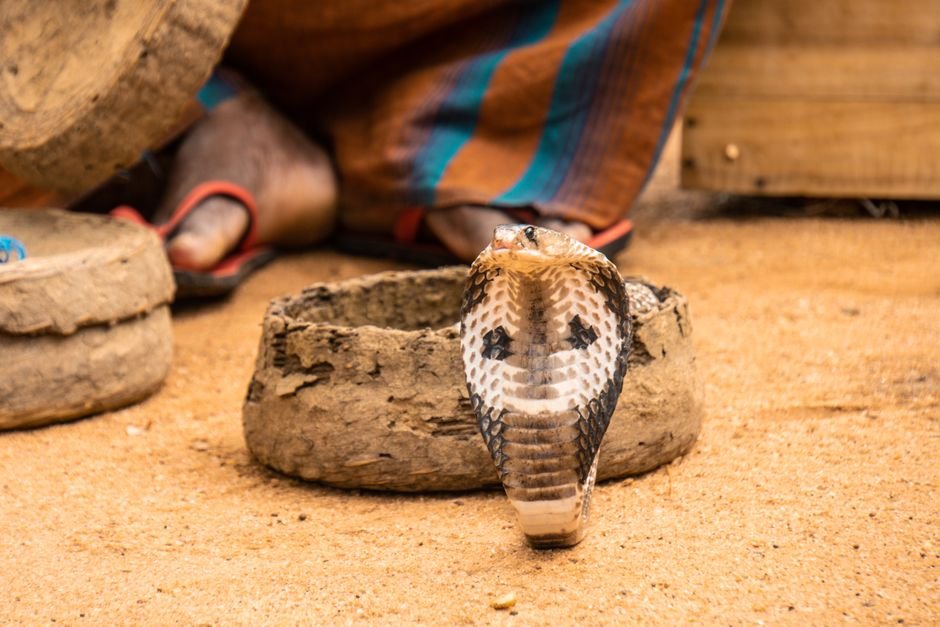
Sri Lanka continues to confront a major public health challenge as regional health data reveals that nearly 10,000 snakebite incidents are reported across the island nation each year. The persistent frequency of occurrences reflects the close intersection between human settlements, agricultural livelihoods, and native wildlife populations across regional areas.

With roughly 10,000 cases documented on an annual basis, snake envenomation represents a critical focus for medical services, particularly in rural and farming districts where daily land cultivation increases exposure risks. Ensuring rapid medical evaluation and immediate clinical care remains vital for preventing severe health complications among affected individuals.
Key Developments
- An estimated 10,000 snakebite incidents are recorded annually across Sri Lanka.
- Agricultural workers and rural residents face elevated exposure due to routine outdoor labor and habitat overlap.
- Sustained access to antivenom therapy and emergency medical care remains central to managing envenomation cases effectively.
Mitigating the high annual burden of snakebites across Sri Lanka requires continuous support for healthcare facilities and community education. Moving forward, maintaining adequate supplies of antivenom and enhancing regional emergency response readiness will be essential to lowering risks and safeguarding vulnerable populations nationwide.