
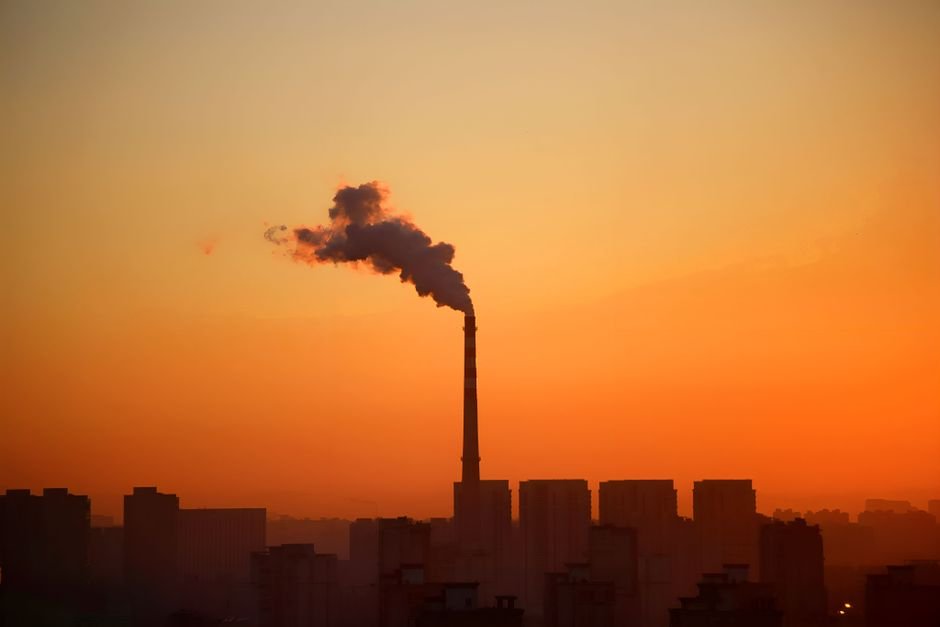
Sri Lanka is confronting a significant decline in air quality as deteriorating atmospheric conditions blanket parts of the island nation, forcing residents to contend with hazardous airborne pollutants. Sri Lankan authorities monitoring the environmental crisis have identified transboundary pollution as a primary catalyst, pointing to contaminant plumes originating outside national borders that are drifting into the country’s airspace.

The spike in air pollution has raised heightened public health concerns across affected regions. Transboundary air pollution occurs when atmospheric currents transport fine particulate matter and industrial or agricultural emissions across international boundaries, heavily impacting air quality far from the initial point of emission. Official assessments indicate that prevailing regional wind patterns have driven these airborne pollutants across the ocean and into Sri Lanka, overwhelming localized environmental conditions.
Key Developments
- Deteriorating Air Quality: Airborne pollutants across Sri Lanka have reached hazardous levels, impacting public health and daily activities.
- Transboundary Origin: Environmental authorities attribute the sharp decline in air quality to transboundary pollution carried by regional wind currents.
- Health and Environmental Risks: Prolonged exposure to incoming fine particulate matter poses severe respiratory and cardiovascular threats to vulnerable populations.
Addressing transboundary atmospheric hazards presents an intricate challenge for Sri Lanka, where domestic environmental policy alone cannot halt cross-border pollutant flows. Effectively mitigating the impact of regional emissions demands strengthened international cooperation, robust real-time air quality tracking, and clear public health protocols to safeguard citizens during peak transboundary pollution events.