
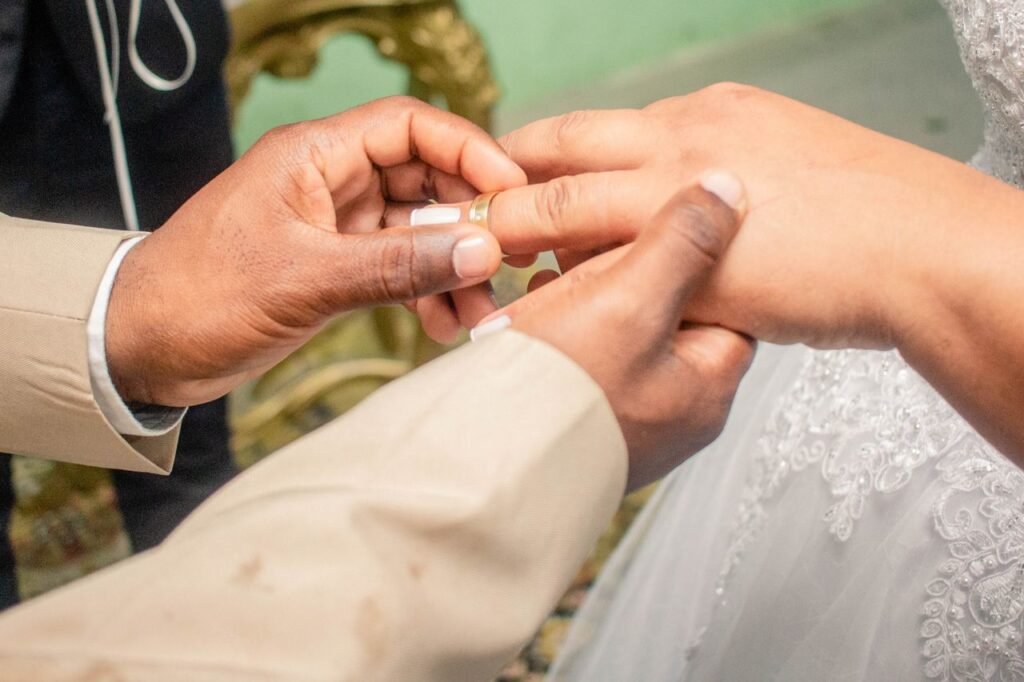
Sri Lanka’s demographic landscape is undergoing a significant transformation, evidenced by sharp declines in both marriages and births over the past decade. This trend raises pressing questions about the underlying causes and far-reaching implications for society, economy, and cultural values.

The stark statistical decline in marriage rates and childbirth indicates a shift in societal norms and priorities. As marriages reflect not just personal choices but also cultural traditions, their decrease signifies a potential loosening of ties to longstanding customs. Younger generations appear more reluctant to enter into formal unions, a shift that, while possibly liberating, also highlights the erosion of collective societal structures.
The investigation into the causative factors behind this trend could yield insightful revelations. Rising economic pressures, increasing educational pursuits, and shifting gender roles may contribute significantly to this evolving landscape. It is noteworthy that these dynamics occur against a backdrop of broader global changes. More individuals prioritize personal freedom and self-actualization, leading to a reconsideration of traditional life milestones like marriage.
In tandem with diminishing marriage rates, the concurrent decrease in birth rates demands urgent attention. The simple mathematics reveal a potential demographic crisis looming on the horizon. A declining birth rate exacerbates issues related to aging populations and a shrinking workforce. Such demographic shifts could impose heavy burdens on future government services, pensions, and healthcare systems, potentially destabilizing economic growth.
The fall in births could also signal deeper societal issues, including access to reproductive health services and family planning resources. Understanding whether this decline stems from desire, capability, or both is critical. If societal infrastructure is failing to support families or provide adequate resources for parenting, the focus should pivot toward addressing these systemic deficits.
Finally, the implications of this decline in marriages and births extend well beyond the personal realm. Economic models that depend on a growing youth population may need re-evaluation, especially as consumer demand shifts. Commitment to fostering environments conducive to family life could well be a cornerstone in reversing these trends, necessitating both policy reform and cultural shifts to create a balanced, sustainable future.
Sri Lanka is at a crossroads, and the choices made in the coming years will carve the path for generations to come. Addressing the underlying reasons for these demographic shifts will require a concerted effort from government, industry, and communities alike. The challenge ahead lies not just in understanding the decline but in crafting proactive strategies that honor both personal choice and collective societal needs.