

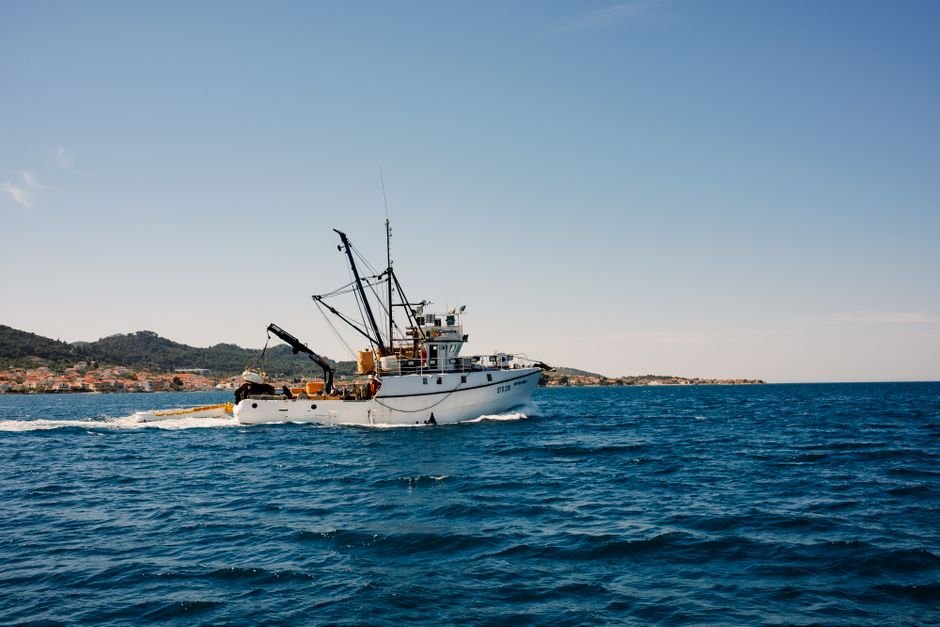
Sri Lankan authorities are taking an increasingly firm stance against Indian trawlers operating in territorial waters as marine resources face severe strain. The move comes in response to mounting pressure over dwindling fish stocks, which have raised serious concerns for regional marine ecology and the livelihoods dependent on coastal fisheries.

Cross-border fishing activities and bottom-trawling operations have long fueled friction across the maritime boundary. With fish populations steadily declining, regulatory scrutiny and enforcement operations against unauthorized trawling vessels have intensified to protect domestic marine habitats and prevent the overexploitation of fragile aquatic reserves.
Key Developments
- Sri Lanka adopts a hard-line policy against unauthorized Indian trawling vessels.
- Depleted fish stocks and environmental pressures drive heightened maritime enforcement.
- Protection of domestic marine ecosystems remains the primary operational focus.
The hardening approach underscores the escalating conflict between maritime conservation and cross-border commercial fishing. As regional marine depletion accelerates, sustained enforcement highlights the urgent necessity for bilateral coordination to address resource sustainability while managing maritime boundaries.