
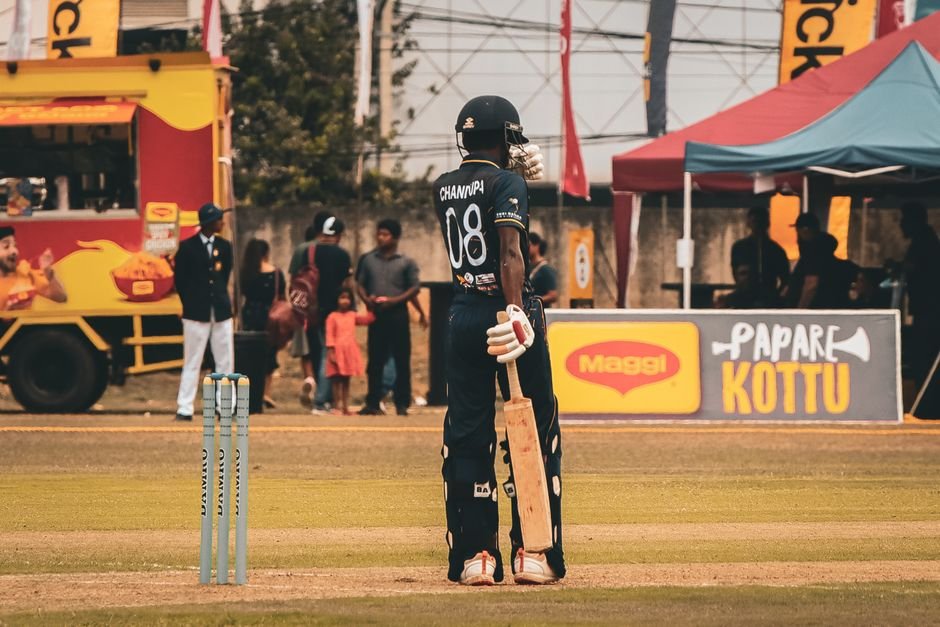
Sri Lankan cricket is on the verge of a historic structural makeover following a comprehensive suite of reform proposals unveiled by the country’s Transformation Committee. The proposed changes aim to revitalize the nation’s cricketing landscape by addressing long-standing administrative inefficiencies and elevating the standard of domestic competition.

Key Highlights
- Streamlined Top-Tier Clubs: Pruning the bloated first-class circuit to concentrate elite talent and boost competition quality.
- Red-Ball Focus: A revamped domestic calendar prioritizing rigorous four-day cricket to prepare players for Test-level demands.
- Constitutional Reform: Drafting a new constitution for Sri Lanka Cricket (SLC) to enhance governance, transparency, and administrative accountability.
- Voting System Restructure: Overhauling the electoral framework to reduce regional factionalism and administrative conflicts.
For years, experts and former players have pointed to Sri Lanka’s fragmented domestic structure—which featured an unusually high number of first-class clubs compared to other major test-playing nations—as a primary reason for the national team’s inconsistent international performances. By downsizing the top division, the Transformation Committee hopes to create a more competitive environment that bridges the gap between domestic and international cricket.
Equally critical to the proposal is the introduction of a new constitution for Sri Lanka Cricket. The new framework is expected to reform SLC’s voting structure, long criticized for allowing minor clubs disproportionate voting power. If fully implemented, these reforms could mark a major turning point in restoring Sri Lanka to the top tier of world cricket.