
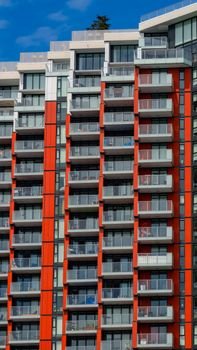
In the first quarter of 2026, Sri Lanka’s condominium sales plummeted by 15.2%. This stark decline, reported by the Central Bank, underscores not just the turmoil in the real estate market but also the broader economic malaise gripping the nation. It raises pressing questions: What factors are contributing to this downturn, and what does it mean for the future of real estate in Sri Lanka?

The 15.2% drop is not just a statistic; it reflects the sentiment of a market wrestling with several interlinked issues. First, the ongoing economic crisis in Sri Lanka has instigated uncertainty among potential buyers. Burdened by spiraling inflation and a depreciating currency, many consumers face difficult choices in prioritizing home purchases versus immediate living costs. The typical middle-income family is increasingly squeezed, often waiting to see if prices stabilize or dip further.
Moreover, the construction sector, a vital component of the economy, is feeling the strain from rising material costs and supply chain disruptions. With costs of construction inputs climbing, developers may also be hesitant to launch new projects, thereby throttling availability in a market needing rejuvenation. This bottleneck effect could maintain high prices even while sales lag, keeping both buyers and sellers in a stalemate.
Regulatory environments also play a crucial role in shaping market dynamics. Any administrative hurdles or delays in approvals can stifle development. These complications not only dissuade potential investors but may also signal to buyers that the market lacks reliability. For a prospective homeowner, the prospect of purchasing a condominium represents not just a financial investment but a commitment to a community; uncertainty can lead to paralysis in decision-making.
The effects of this downturn ripple beyond just the real estate sector. A decline in condominium sales signals weaker consumer confidence across the board. Historically, robust housing markets have a cascading effect on ancillary industries such as furniture and home goods sales, interior design, real estate services, and even local retail. Thus, the ramifications of this downturn could hinder economic recovery more broadly, amplifying the economic challenges already faced in the country.
Addressing the plummeting sales in condominium units calls for strategic interventions. Policymakers need to consider incentives that would stimulate the market, such as tax breaks for first-time buyers or funding for construction projects that prioritize affordable housing. Enhanced communication with potential buyers about market conditions and future developments may also serve to rebuild trust in the real estate market.
In review, the 15.2% drop in condominium sales is emblematic of wider economic challenges. It invites a critical evaluation of the factors driving these trends while searching for solutions that can reignite consumer confidence and stabilize one of the most crucial sectors of the economy. Only through comprehensive reform and increased transparency can Sri Lanka hope to navigate its way out of this downturn.