
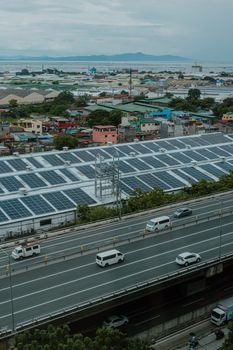
Sri Lanka’s recent acquisition of $35 million in loans and grants from the Asian Development Bank (ADB) for a rooftop solar project signifies a moment of optimism amidst ongoing economic challenges. This funding is not just a financial boon but a crucial step toward diversifying the country’s energy portfolio, reducing dependence on fossil fuels, and addressing energy access inequalities.

However, the implications of this initiative warrant a closer examination. ADB’s financial commitment emphasizes the growing importance of renewable energy for developing nations. With Sri Lanka trying to bounce back from an economic crisis that peaked in 2022, marked by shortages in foreign currency and fuel, the introduction of rooftop solar systems could enhance energy self-sufficiency. It presents an opportunity to harness the substantial solar potential that the geographical location provides.
Yet, the extent to which this initiative will benefit the average citizen remains crucial. The rooftop solar project aims to foster greater energy independence for households, particularly in rural and underserved regions. Still, the question looms: will this funding adequately reach those who need it most? Past initiatives in various countries show that large financial influxes do not necessarily translate to equitable access. Ensuring that these investments prioritize low-income families could prove vital for broadening the impact of this solar initiative.
Moreover, the viability of transitioning to solar energy depends on effective governance and management of the project. The success of this endeavor hinges not only on the financial aspect but also on infrastructure development and public awareness. The challenge is multifaceted: it includes educating communities about solar technology, navigating bureaucratic red tape, and maintaining a transparent procurement process to prevent corruption—a factor that has historically undermined development projects in many regions.
While the current financing from ADB may pave the way for a greener future, it also places the spotlight on Sri Lanka’s energy policies and framework. A strategic approach to integrating solar power into the national energy grid will be essential to prevent any strains on existing systems. This requires a concerted effort from policymakers and stakeholders to craft legislation that supports not just the installation of solar panels but fosters a sustainable energy culture overall.
In conclusion, the $35 million for the rooftop solar project presents an opportunity for Sri Lanka to reclaim its energy future. However, realizing this potential demands more than monetary assistance. It necessitates a comprehensive strategy that ensures the project aligns with the nation’s broader economic recovery goals, prioritizes equity, and safeguards against governance failures. Only then can Sri Lanka truly harness the promise of renewable energy and light the way toward a sustainable and resilient future.