
Evacuation Orders in Spokane: A Dire Response to Wildfires
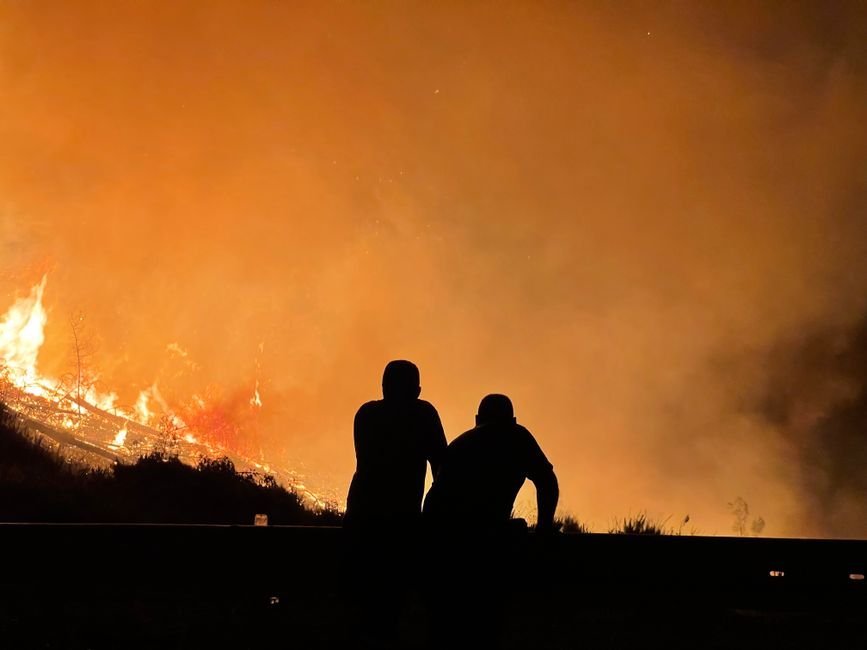
In a significant escalation of the wildfire crisis engulfing parts of Washington state, approximately 60,000 residents of Spokane have been ordered to evacuate. Local officials announced the evacuation on Sunday as wildfires threaten homes, businesses, and safety across the region. The Spokane Area Fire comprises three separate blazes, collectively wreaking havoc as they advance toward inhabited areas.

Destruction on a Massive Scale
According to local fire officials, the fires have already consumed 5,390 acres (2,180 hectares) and destroyed around 600 buildings in their wake. Spokane Fire Chief Tom Williams informed the public that containment efforts have yet to yield success, leaving many vulnerable to the approaching flames.
This urgent situation marks Spokane’s most severe natural disaster in recent memory. Mayor Lisa Brown’s statement reflects the alarming gravity of the incident, underscoring the increasing frequency and intensity of such natural hazards linked to climate change. With over 250,000 acres (101,171 hectares) burning across the entire state, the fire’s unprecedented scale poses not just local, but statewide concerns.
Public Safety and Infrastructure at Risk
As the fires rage on, local utilities are already feeling the strain. Around 10,000 electricity customers in the Spokane area have lost power, highlighting the infrastructure’s vulnerability during natural disasters. Avista Utilities CEO Heather Rosentrader confirmed the outage, further complicating the situation for those who are evacuating or trapped in fire-affected areas.
Government Response: Emergency Declarations and Federal Assistance
In response to the escalating crisis, Washington Governor Bob Ferguson has declared a statewide emergency. His call for assistance from the Federal Emergency Management Agency (FEMA) demonstrates the severity of the situation. Engaging federal resources is imperative for effective disaster management, as local capacities may soon become overstretched given the ongoing challenges posed by wildfires across the state.
The Broader Context: Climate Implications
This catastrophic event serves as a stark reminder of the increasing threat posed by wildfires, exacerbated by climate change. As temperatures rise and drought conditions prevail, the frequency and intensity of wildfires are expected to worsen. Spokane’s situation reflects a broader trend; communities across the nation are grappling with the implications of climate change, as firefighting resources and methodologies need reevaluation and bolstering to adapt to new challenges.
In the face of such adversities, it becomes critical for policymakers to prioritize sustainable development strategies and disaster preparedness to mitigate risks. The lessons learned from Spokane could inform broader strategies to enhance community resilience against future natural disasters.
A Community in Crisis
The human toll of this disaster remains to be fully quantified, as no injuries or fatalities have been reported so far. However, the emotional and psychological impact on the displaced residents warrants attention. Each evacuation represents the disruption of lives, with families facing uncertainty about their homes, pets, and livelihoods. Strengthening community support systems is essential for aiding recovery in the aftermath of this disaster.
As the situation continues to unfold, all eyes will be on Spokane, both for updates on the immediate crisis and for insights on how to better prepare for future incidents in an ever-changing climate.