
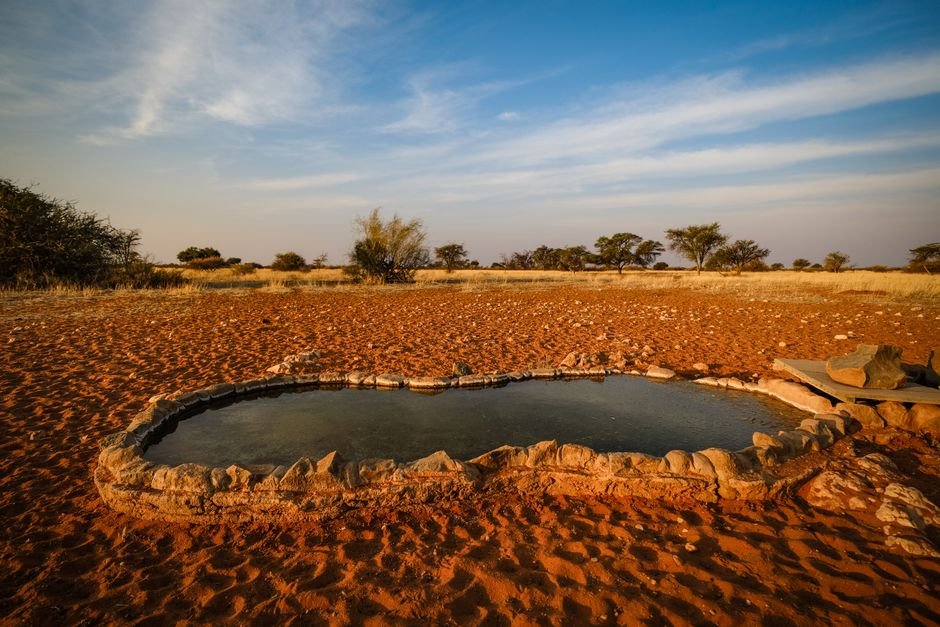
Severe drought conditions across Sri Lanka are dramatically drying up natural water holes, forcing wildlife to venture into human settlements in search of hydration and exposing them to an escalating threat of deliberate poisoning.

Key Highlights
- Prolonged dry spells have reduced vital forest water sources to muddy puddles, driving animals onto agricultural lands.
- Increased friction between local communities and wildlife has led to rising incidents of toxic baiting near scarce water points.
- Conservationists warn that endangered species, including Sri Lanka’s Asian elephants, face severe long-term impacts without immediate intervention.
As rising temperatures and delayed monsoons continue to parch the island nation, natural reservoirs within national parks and protected forest reserves are rapidly depleting. Deprived of essential water, species such as elephants, leopards, and deer are increasingly crossing habitat boundaries to find moisture in village wells and agricultural canals.
This forced proximity has sharply intensified human-wildlife conflict. Desperate to protect their crops and limited water supplies for domestic livestock, some farmers have resorted to placing toxic pesticides near remaining water holes. Furthermore, poachers are taking advantage of these predictable animal gathering spots to easily target distressed wildlife.
Environmental groups and wildlife authorities are calling for emergency intervention measures, such as refilling artificial water tanks deep within national parks using solar-powered pumps. Experts emphasize that long-term strategies, including habitat restoration and community-based conflict mitigation, are urgently needed as climate change renders extreme droughts more frequent.