
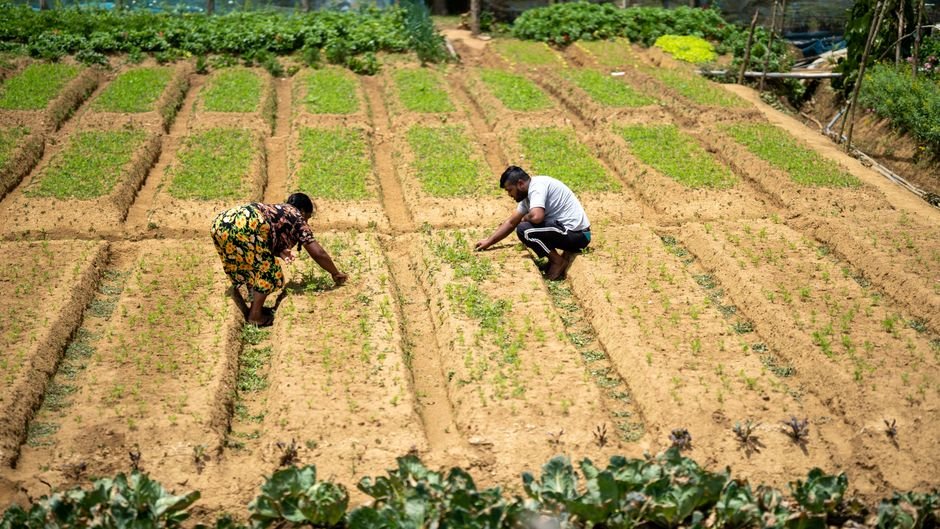
Communities across Sri Lanka are grappling with severe drought conditions as agricultural water sources run dry and natural habitats face critical shortages. Farmers across affected regions are watching their irrigation and domestic wells empty, severely impairing local cultivation and everyday agricultural operations. At the same time, wildlife populations are increasingly congregating around rapidly shrinking water holes, highlighting the expanding ecological toll of the prolonged dry spell.

The drying of rural wells presents an immediate crisis for the country’s farming sector. Dependent on consistent groundwater levels for crop irrigation and livestock management, rural agriculturalists now face heightened vulnerability as water levels recede beyond usable depth. The situation threatens crop yields and places additional burdens on households that rely on these wells for daily domestic survival.
Beyond agricultural disruptions, the drought is drastically altering natural ecosystems. As natural streams, ponds, and reservoirs recede, wild animals are forced to gather around remaining water sources in unusually high numbers. This concentration of wildlife at dwindling water holes increases ecological stress and heightens the likelihood of human-wildlife encounters near agrarian boundaries where water remains available.
Key Developments
- Drying Agriculture Wells: Rural farmers face critical operational challenges as groundwater levels drop and key farm wells empty across affected regions.
- Impact on Wildlife Ecosystems: Wild animal species are crowding around dwindling water holes as natural water bodies recede across drought-stricken zones.
- Threat to Rural Livelihoods: Sustained water shortages pose acute risks to crop yields, farming stability, and daily community water security.
As drought conditions persist across Sri Lanka, addressing water scarcity remains a central challenge for both agricultural sustainability and ecological management. The dual pressure on rural farming communities and wildlife underscores the ongoing need for coordinated water resource management and long-term resilience measures across vulnerable regions.