
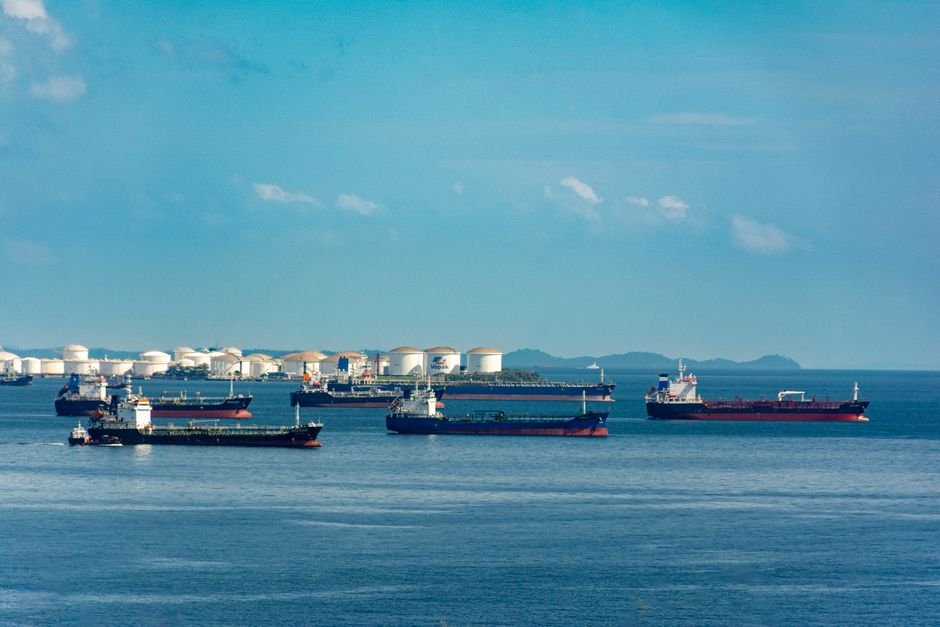
Approximately 20 empty Iranian oil tankers remain stranded roughly 15 miles off Sri Lanka’s southwestern coast, where several crews are grappling with dwindling supplies of food, fresh water, and fuel under intensifying United States sanctions and maritime restrictions. The vessels, which previously offloaded crude oil destined for Asian markets including China through ship-to-ship transfers, have been blocked from returning to Iran to reload.

The maritime gridlock stems from a decision by the United States to reimpose its maritime blockade of the Strait of Hormuz in July. The action has left dozens of Iranian and Iran-linked vessels stranded across key Asian maritime routes, with similar concentrations of tankers observed near Malaysia, a region historically utilized for transferring Iranian crude. The Trump administration has introduced additional sanctions against Tehran and warned international trading partners to cut economic ties, aiming to extract concessions from Iran amid ongoing conflict.
In recent weeks, American officials have pressed Sri Lankan authorities to prevent domestic service vessels from providing logistical support or provisions to the stranded fleet. In August, the U.S. Embassy warned Sri Lanka that it was monitoring 19 Iranian tankers off the country’s western coast and cautioned that local entities offering fuel, water, food, or repair services could face secondary sanctions. Subsequent reports in late August noted that up to 27 sanctioned Iran-linked vessels were waiting without cargo off the Sri Lankan coastline.
Sri Lankan authorities maintain that the tankers are stationed outside the nation’s 12-nautical-mile territorial waters and that the state is providing no logistical assistance. At the same time, regional shipping and maritime supply companies report that securing official clearance to deliver essential humanitarian provisions and repair services to the crews has become increasingly difficult.
Key Developments
- Around 20 empty Iranian tankers are immobilized approximately 15 miles off Sri Lanka’s southwestern coast, suffering shortages of fresh water, food, and fuel.
- The standoff follows the July reimposition of the U.S. maritime blockade on the Strait of Hormuz, which disrupted return passages for vessels supplying crude to China.
- U.S. officials warned Sri Lankan authorities against permitting local suppliers to service the ships, citing secondary sanctions risks.
- Sri Lanka verified that the vessels are anchored outside its 12-nautical-mile territorial boundary, with no official logistical aid provided.
- Parallel clusters of stranded Iran-linked vessels have been identified in waters near Malaysia.
The immobilizations reflect the escalating impact of the Trump administration’s secondary sanctions strategy, which continues to close logistical avenues for Iranian maritime operations and isolate commercial supply chains throughout the Indian Ocean.