
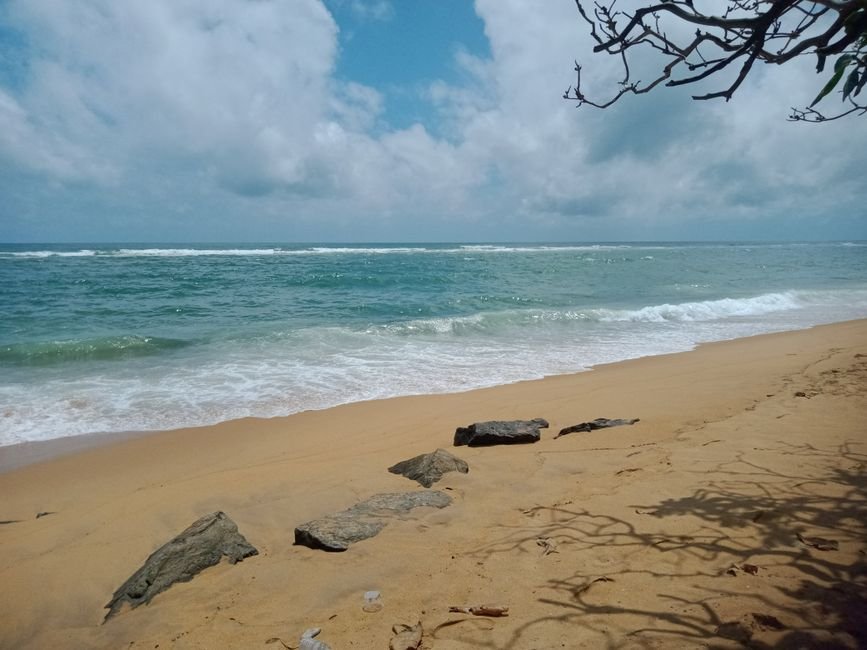
Sri Lanka’s world-famous coastline, long a magnet for international travelers seeking sun-soaked beaches, is facing an escalating crisis. Severe coastal erosion fueled by rising sea levels and climate change is rapidly swallowing prime beachfronts, threatening the island nation’s vital tourism sector and local coastal economies.

Key Highlights
- Rapid ocean encroachment is eroding pristine beaches and threatening hotel infrastructure along Sri Lanka’s popular southern and western coastlines.
- The tourism industry, a crucial source of foreign exchange for the country’s economic recovery, faces severe structural and financial risks.
- Environmentalists and business owners are calling for urgent state intervention and sustainable coastal defense strategies to prevent further damage.
Popular coastal destinations such as Unawatuna, Bentota, and Hikkaduwa have seen significant beach narrowing in recent years. Swelling sea levels combined with intense monsoon surges have stripped away large volumes of sand, leaving many beachfront resorts, guesthouses, and seafood restaurants dangerously close to the water’s edge.
For a country relying heavily on travel and hospitality to drive its broader economic recovery, the degradation of its primary natural asset presents a serious challenge. Industry leaders and environmental experts warn that without immediate investments in beach nourishment, artificial reef restoration, and strategic coastal management, Sri Lanka risks irreparable damage to its coastal tourism brand.