
Rising Fatalities in Sri Lanka’s Floods: The Urgent Need for Better Preparedness
Severe flooding and mudslides in Sri Lanka have recently claimed at least seven lives and displaced thousands as the central hill region faced the brunt of relentless downpours. Rescue teams mobilized quickly, but the challenge of protecting vulnerable communities remains as daunting as ever.

Recent Disaster Strikes Amid Continuing Vulnerability
This latest tragedy comes just months after Sri Lanka endured one of its most devastating weather events, underscoring a pattern of increasing severity linked to climate variability. The rapid transition from heavy rainfall to a humanitarian crisis demonstrates not only the immediacy but also the long-standing vulnerabilities faced by populations living in mountainous terrains prone to flooding and landslides.
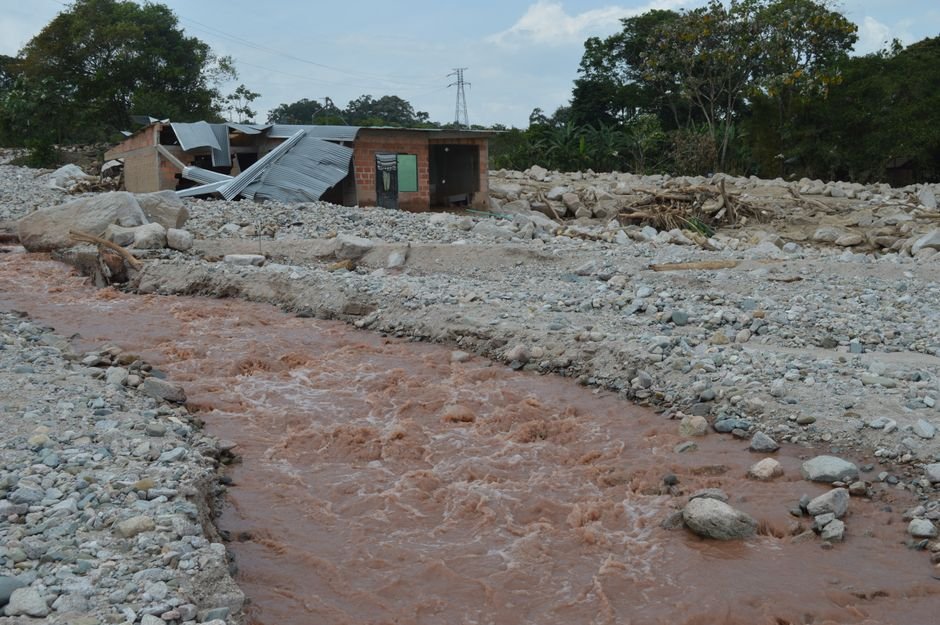
During a two-day period, intense rainfall caused rivers to swell, leading to mudslides in the central region. The immediate impact was catastrophic: five people were killed when landslides buried their homes, and two more fatalities occurred as a result of flooding. Approximately 300 houses reported damage, with around 3,500 residents evacuated from high-risk areas.
Geographic Vulnerability: A Landscape of Risks
Sri Lanka’s topography and climate create an environment particularly conducive to flooding and mudslides. The steep mountainous terrain absorbs rainfall quickly, saturating the soil and prompting instability, which leads to deadly mudslides. Coupled with rivers flowing from these highlands toward low-lying areas, the risks multiply significantly.
Exacerbating these natural hazards are human activities such as population growth, construction on fragile landscapes, and deforestation. Each of these factors contributes to a landscape that is ill-equipped to manage extreme weather events effectively, resulting in disaster scenarios that are all too common in Sri Lanka.
Understanding the Dangers of Mudslides
While floods may gradually rise, mudslides are often sudden and destructive. Quickly transitioning from rainfall to hillsides collapsing under saturated soil exposes homes and lives to immediate danger. The latest incident demonstrates this lethal combination, as those living in unstable zones found themselves with little time to evacuate before being engulfed by fast-moving debris.
Responses to the Crisis: An Urgent Call for Coordination
Sri Lankan authorities acted swiftly to launch emergency rescue operations through the Disaster Management Centre. Military personnel played a crucial role, working alongside local volunteers to reach trapped civilians. The immediate focus on evacuations and establishing temporary shelters reflects a commitment to rapid response, although significant obstacles remain due to blocked roads and ongoing rainfall.
The task of restoring infrastructure is becoming increasingly challenging, particularly in areas still recovering from previous disasters, such as Cyclone Ditwa, which afflicted roughly two million individuals and left considerable structural damage. The overlap of these crises intensifies the strain on emergency resources and the need for coherent risk management strategies.
Addressing Climate Resilience and Preparedness
The floods and mudslides reveal a stark truth about disaster preparedness in Sri Lanka. Modern strategies incorporating early warning systems, hazard mapping, effective public education, and improved building standards are not just necessary—they’re imperative. Without proactive investment in resilient infrastructure, communities will continue to face escalating risks associated with severe weather.
Infrastructure that accounts for extreme weather is crucial for recovery efforts. Transportation networks resistant to damage during calamities can facilitate quicker responses and lessen long-term impacts. Additionally, sustainable environmental management practices, such as safeguarding forests and enhancing watershed management, can stabilize slopes and mitigate flood risks.
Long-term Strategies Needed for Future Protection
The ongoing cycle of natural disasters emphasizes the urgent need for comprehensive disaster preparedness measures. Sri Lanka’s recurring issues with flooding and landslides must catalyze a nationwide commitment to investing in resilience and risk reduction strategies to protect lives and infrastructure in the face of an increasingly unpredictable climate.
As the nation grapples with the aftermath of this recent catastrophe, it becomes clear that every effort should be directed toward not just immediate relief, but also long-term improvements that can withstand the pressures of future disasters.