
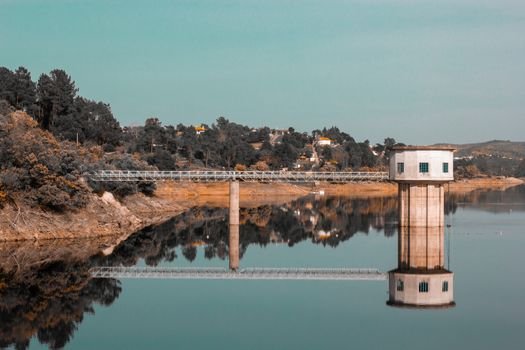
Water Reservoir Capacities Hit Alarmingly Low Levels
COLOMBO – The Sri Lankan Department of Irrigation has issued a stark warning regarding the rapidly plummeting water levels in reservoirs across the Eastern Province, particularly in the Ampara, Batticaloa, and Trincomalee districts. As of mid-August 2026, these regions are grappling with concerning figures: water capacity in Ampara has dipped to a mere 22.8%, Batticaloa is at 25.7%, and Trincomalee trails slightly behind at 28.2%.

Critical Implications for Local Communities
This unprecedented drop in reservoir levels poses a significant threat to local communities and agricultural practices heavily dependent on these water supplies. With the dry weather continuing to linger, the livelihoods of many are now under severe strain. The Department of Irrigation has assured that the main reservoirs supplying drinking water are currently facing no issues, providing a glimmer of relief amid a growing crisis.
However, the situation in the Eastern Province invites concern and calls for immediate action. Experts fear that if the regions do not receive adequate rainfall soon, water shortages could escalate, affecting not only domestic usage but also agriculture and food security in the area.
Mahaweli Reservoirs Maintain Healthier Levels
In a contrasting report from the Mahaweli Water Management Secretariat, the reservoirs under its jurisdiction report a healthier status, with water capacity holding steady at 57%. Moreover, reservoirs used for power generation within the Mahaweli system are at 65% capacity, indicating that at least some portions of the country remain relatively insulated from the drought’s severe impacts.
The Bigger Picture: Dry Weather and Its Effects
The impact of this dwindling capacity also resonates on a larger scale. As Sri Lanka grapples with broader dry weather conditions, data indicate that approximately 68,041 individuals have been affected nationwide. The harsher climate not only endangers water supplies but also exacerbates challenges such as food insecurity and health risks.
Addressing such a multifaceted crisis demands not only immediate governmental intervention but also long-term strategies for water management. Whether through rainwater harvesting initiatives, infrastructure improvements, or conservation efforts, a cohesive plan is essential to avoid further jeopardizing the nation’s water resources.
Conclusion
With rain forecasts uncertain, the time for action is now. Sri Lankans and their leaders must come together to address the imminent water shortages and consider sustainable practices that safeguard future generations against the perils of an increasingly erratic climate.