
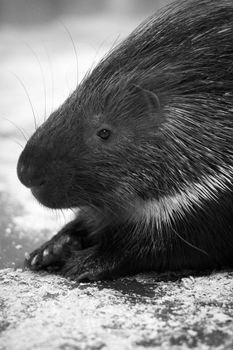
The captivating tale of a wild porcupine becoming a beloved companion to a little girl in Sri Lanka offers a glimpse into the complexities of human-animal relationships, interwoven with themes of rescue and rehabilitation. This narrative, while heartwarming, raises important questions about wildlife conservation, the impact of human intervention, and societal attitudes toward animals.

The porcupine, once a symbol of the wild and untamed, has been brought into an intimate domestic sphere. Such transformations point to the critical role that individual acts of kindness can play in wildlife conservation. The bond formed between the little girl and her unusual friend reflects a deep-seated human inclination to nurture. Yet, it is essential to scrutinize the implications of domestication on wild animals. While the story’s sentimental appeal is undeniable, it overlooks the nuanced challenges of raising a wild animal in a human environment.
Statistics indicate that in regions where human-wildlife interaction increases, the potential for conflict often escalates. As people encroach further into wildlife habitats, the distinction between the wild and domestic blurs, leading to dire consequences for both parties. The integration of a wild porcupine into a home setting could be seen as a short-term success but raises long-term sustainability issues for both the species and the ecosystem. The ideal scenario would involve ensuring that the porcupine is safe in its natural habitat rather than adapting it to a life away from the wild.
Moreover, the narrative raises the issue of wildlife rehabilitation practices. In a world striving for biodiversity and ecosystem balance, stories like this should prompt a shift toward more comprehensive discussions about how to effectively support wildlife without compromising their instincts or health. To harness such goodwill and compassion in a constructive way, better frameworks must be established to educate the public about the right ways to engage with wildlife—fostering coexistence rather than cultivating dependency.
The girl’s affection for the porcupine showcases an innocent bond that many may find inspiring. At the same time, it serves as a poignant reminder that albeit well-meaning, human affection can inadvertently lead to compromised wildlife welfare. As we advocate for wild creatures, the challenge remains to find paths that prioritize their natural instincts and habitats while celebrating the connections that enrich our lives.
Ultimately, the story of this rescued porcupine and its young friend exemplifies a microcosm of broader wildlife conservation dilemmas. While the love shared is heartwarming, it is imperative to approach such situations with a commitment to understanding the intricate dynamics of wildlife health, environmental sustainability, and educational outreach for future generations. The legacy of such narratives should extend beyond feel-good sentiments, calling for responsible stewardship that prioritizes the true well-being of the animal kingdom.