
Rain Forecast Overshadows Historic 600th Test Match
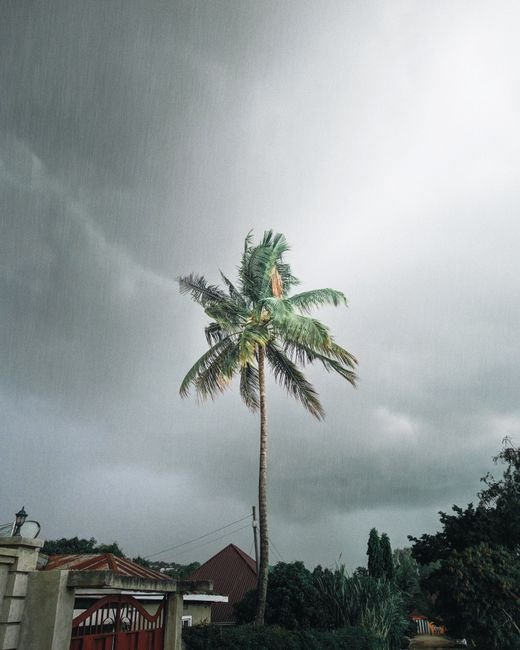
As India gears up to celebrate its 600th Test match against Sri Lanka, the weather is proving to be an unwelcome guest. Forecasters predict significant rain over the five-day test, which begins on August 15 in Galle, raising serious concerns about game interruptions and their potential impact on performance.
Initial Forecasts Present a Dismal Picture
The forecast for the opening day paints a gloomy picture with a staggering 90 per cent chance of rain. Such conditions are likely to hinder the toss and force fragmentation of the morning session. With temperatures reaching around 30-31°C and humidity hovering around 80 per cent, the players face a challenging environment both on and off the field. If a rain delay occurs, the players’ ability to adapt quickly could be crucial.
The subsequent days do not offer much hope either. Day two has a 74 per cent chance of rain, characterized by the risk of short and intense thunderstorms, complicating any planned strategies. The forecast for Day three remains obstinately unfriendly, with an 81 per cent probability of rain disrupting both morning and afternoon sessions. These conditions not only threaten the continuity of play but also distort the natural flow of the game.
Implications for Team Strategy and Performance
The unpredictable weather significantly affects the teams’ tactical approaches. With play likely to be curtailed, teams could be pushed towards aggressive gameplay, favoring those willing to declare bold strategies rather than adopting a more conservative, session-by-session mindset. The compressed playing time might require a psychological adjustment, with constant interruptions likely causing more disruption to batters than bowlers.
For both India and Sri Lanka, dealing with injury-stricken squads, it becomes essential to adjust their strategy dynamically. The rain could level the playing field; often, it is the team that can best adapt to changing circumstances—rather than those who simply rely on their skills—that prevails. Moreover, the fourth day could potentially offer some respite with a 56 per cent chance of rain, creating opportunities for more prolonged gameplay.
Conclusion: The Rain Factor Could Define the Test’s Outcome
As the teams prepare to step onto the pitch, the looming rain clouds threaten not just the match schedule but the narrative of this historic test. The unpredictability of Galle’s weather may end up being a defining factor, creating pressure that each team must learn to navigate. The ability to perform under such conditions—adapting strategies and maintaining focus—could shape the eventual outcome just as much as the skills of the players themselves.