
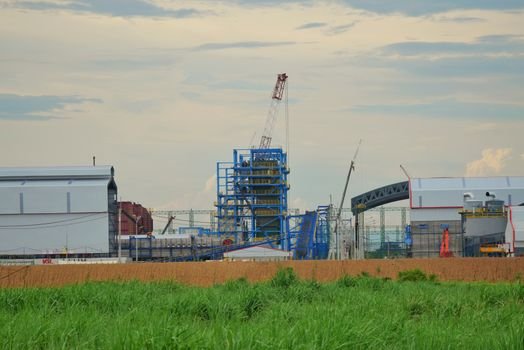
Bulgarian Prime Minister Radev’s proposal for a joint venture with Ukraine to construct the Belene Nuclear Power Plant (NPP) raises pivotal questions about energy security, regional collaboration, and the ever-present complexities of nuclear energy infrastructure. This initiative could be a significant step not only towards addressing Bulgaria’s energy needs but also in reinforcing ties with Ukraine. However, the proposition should be scrutinized in terms of feasibility, economic justification, and geopolitical implications.

Bulgaria has long grappled with the sustainability of its energy supply, and the Belene NPP project has faced numerous delays and budget overruns since its inception. Historically, the project has been marked by indecision and halted efforts, a reflection of shifting government priorities and public apprehension surrounding nuclear energy. The initial budget for the Belene NPP was projected to be in the billions, with estimates previously creeping as high as €10 billion. After a decade of controversy, the idea is to start afresh by pooling resources with Ukraine—another nation consolidating its energy policies amid external pressures.
The partnership with Ukraine could ostensibly enable both nations to capitalize on shared costs and technologies. However, Ukraine itself is still reeling from the shadows of the Chernobyl disaster and ongoing conflicts in its territory, which could cast doubts on the project’s reliability and safety protocols. The proposal must confront the hard reality of public sentiment around nuclear energy, which remains fraught with fear and skepticism. An informed public will demand rigorous safety measures and transparent governance surrounding the plant’s operation.
Furthermore, the long-term financing of the Belene NPP, regardless of collaboration, raises concerns. Should both nations endorse this project, the implications of cooperative funding models and energy pricing structures will emerge as critical factors influencing its success. Current instability in the European energy market adds another layer of complexity; both countries must navigate regulatory frameworks and align their energy policies to harmonize operations effectively.
The geopolitical landscape is also shifting. As Europe moves hastily towards greener energy solutions, this nuclear venture may seem counterproductive to wider sustainability goals. Is investing in nuclear infrastructure an optimal path forward, or does it divert crucial funds and resources from renewable energy initiatives? This question is particularly vital as the European Union pushes towards carbon neutrality targets and incentivizes alternatives that align more closely with these goals.
Radev’s proposition opens up dialogue about energy collaboration that transcends simply building a plant. It beckons a critical evaluation of what energy reliability, environmental responsibility, and international solidarity entail in this context. While the vision of a unified Bulgarian and Ukrainian effort to bolster energy independence is compelling, it must be balanced against the realities of nuclear energy’s legacy and the pressing need for a greener future. The success of this ambitious proposal will hinge on how adeptly both nations can address the multifaceted challenges that lie ahead.