
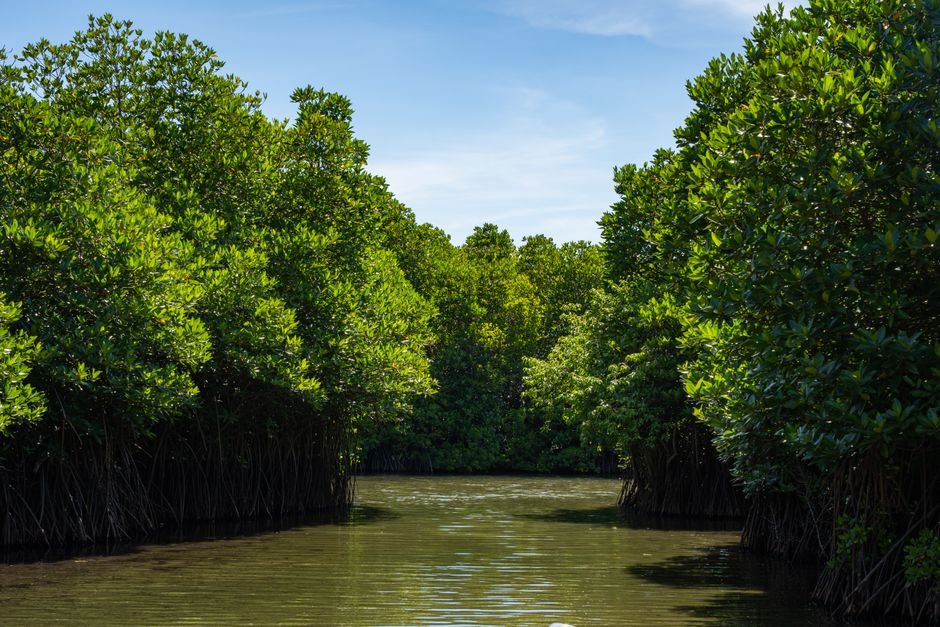
Sri Lanka is advancing critical environmental initiatives to protect and restore its vital mangrove ecosystems, underscoring the island nation’s ongoing commitment to coastal resilience and biodiversity conservation. Mangrove forests serve as essential natural shields for Sri Lanka’s shorelines, playing a pivotal role in mitigating coastal erosion, buffering communities against marine storm surges, and sustaining intricate tropical aquatic food webs. The nationwide drive to safeguard these intertidal habitats reflects a concerted focus by state environmental agencies and local conservation advocates to reverse decades of ecological loss and secure sustainable wetland management.

Mangroves rank among the planet’s most efficient natural carbon sinks, sequestering significant volumes of atmospheric carbon within their dense root systems and organic soils. Across Sri Lanka’s coastal belts, these unique ecosystems support commercial and artisanal fisheries by serving as critical nursery grounds for diverse fish, crab, and shrimp species. Despite their immense ecological and economic value, wetland habitats across the country have historically faced severe threats from unregulated coastal development, commercial expansion, and deforestation, prompting elevated regulatory protections and targeted habitat restoration projects.
To ensure lasting conservation success, current frameworks emphasize a community-centered approach that actively involves local coastal residents in long-term stewardship. State entities overseeing forestry, marine environment protection, and wildlife preservation are coordinating efforts to align ecological restoration with local livelihoods. Through initiatives that incorporate scientific mapping, community-led nursery cultivation, and sustainable eco-tourism, stakeholders aim to establish permanent safeguards for delicate wetland zones while providing economic incentives for nearby populations.
Key Developments
- Shoreline Defense and Climate Resilience: Strategic mangrove restoration programs across Sri Lanka aim to strengthen natural coastal barriers against climate-driven weather events and shoreline erosion.
- Community-Driven Stewardship: Conservation models are integrating local fishing communities and residents into monitoring and replanting operations to ensure long-term habitat viability.
- Ecosystem and Economic Preservation: Protecting intertidal wetlands secures essential breeding grounds for marine life, directly supporting local fisheries and regional biodiversity.
As international focus intensifies on nature-based strategies for climate adaptation, Sri Lanka’s dedicated focus on mangrove preservation serves as a vital model for tropical coastal management. Sustained investment in research, community empowerment, and statutory enforcement will remain essential to protecting these invaluable ecosystems and safeguarding the nation’s coastal heritage for generations to come.