
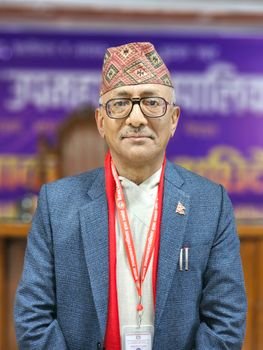
The commencement of the Hands Off Asia Conference in Colombo marks a pivotal moment for regional diplomacy, with Nepal’s Prime Minister Prachanda taking the stage at the opening session. The conference seeks to address pressing issues in Asian geopolitics, yet the nuances of such gatherings often reveal more than the surface agenda suggests.

Prachanda’s presence signals Nepal’s increasing engagement in broader Asian political discourse. However, it raises questions about the effectiveness of such conferences in producing actionable outcomes. With tensions rising across the region—particularly in contexts undermined by superpower rivalries—there is a tangible risk that discussions can devolve into mere platitudes rather than forging meaningful alliances.
Additionally, the location in Sri Lanka, a country grappling with its economic recovery and political instability, cannot be overlooked. Sri Lanka’s challenges might overshadow the conference’s objectives, potentially diverting attention. Will delegates prioritize solidarity and constructive dialogue, or will the weight of local issues constrict their focus?
Furthermore, the term “Hands Off Asia” itself provokes critical reflection. While it implies a call for non-interference, such a stance can invite paradoxical interpretations. It is necessary to question which nations are genuinely ready to embrace this principle and which may still engage in maneuvers that destabilize sovereign interests. The effectiveness of the conference will ultimately hinge on leaders’ commitments to uphold the tenets they advocate.
As discussions unfold, the need for clear metrics of success becomes vital. Without established criteria to gauge the conference’s impact on regional diplomacy, any outcomes could remain ambiguous, leaving participants and observers grappling with questions about true accountability.
Engaging Asian nations in a cooperative framework is essential; however, the real test will be whether this conference catalyzes a shift in dialogue that translates into sustainable development and peace. The hope lies in the potential of open forums to bridge divides, but such aspirations must be rooted in a clear-eyed awareness of the geopolitical realities at play. Pragmatic solutions, not just idealistic resolutions, are essential if the Hands Off Asia Conference is to make a lasting mark on the region’s future.