
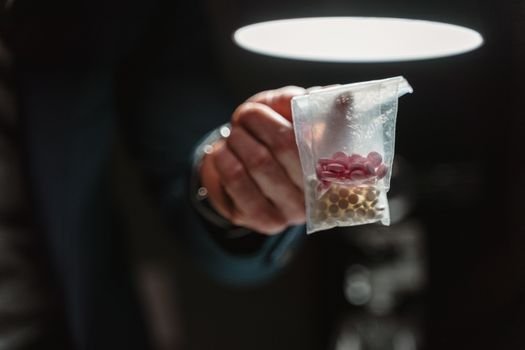
The recent drug bust that led to a Philippine woman’s arrest in Sri Lanka, involving a staggering Rs. 61.8 million, starkly highlights the escalating complexities of international drug trafficking. This incident is not merely a typical story of seized substances; it’s a troubling intersection of global crime networks and vulnerable individuals potentially caught in a web of exploitation.

The sheer financial weight of this operation demands scrutiny. Rs. 61.8 million is not a trivial sum. It raises questions about the scale and organization behind such a trafficking operation. Who stands to benefit from this transaction? The implications stretch beyond simple possession; they reflect a vast, intricate supply chain that often involves multiple countries and actors.
Furthermore, the choice of a Philippine citizen as a mule opens discussions about the systemic vulnerabilities faced by individuals in developing nations. With economic challenges at play, the risk of engaging in illegal activities can appear more enticing, particularly for those seeking better prospects abroad. Was this woman fully aware of what she was getting into? How does her background inform her choices? Each dimension of her story echoes a broader narrative of desperation and the lengths to which individuals may go in pursuit of financial security.
This bust also serves as a glaring reminder for nations grappling with drug-related issues. Sri Lanka, like many others, is at a crossroads. As the drug trade evolves, so too must the strategies employed by law enforcement and drug prevention entities. A singular arrest is merely a drop in the bucket; a reactive measure that doesn’t address the root causes of trafficking. Are authorities prepared to tackle the systemic issues that perpetuate this cycle, or will they continue playing catch-up?
Public policy must evolve to adapt to the sophistication of drug trafficking networks. Governments need to enhance cooperation, not only in law enforcement but also in proactive measures such as education, public awareness campaigns, and socioeconomic support that can alleviate the poverty-stricken circumstances exploiting individuals like the one involved in this bust.
Ultimately, the arrest of this Philippine woman in Sri Lanka over such a significant quantity of drugs is a microcosm of a broader crisis. It invites us to reflect on the intersection of personal choice and systemic failings, urging a reassessment of how societies combat the ever-looming threat of international drug trafficking.