
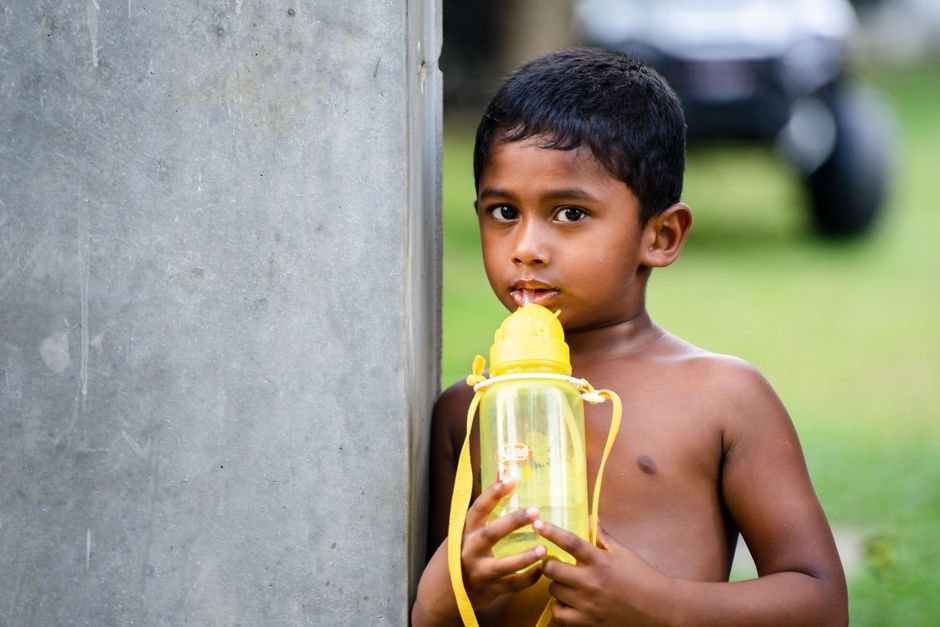
Child stunting in Sri Lanka continues to register at persistently high levels, drawing sharp focus to the lingering nutritional and developmental challenges facing young cohorts across the nation. Stunting, a key indicator of chronic early childhood malnutrition, reflects long-term deficits in nutrient intake and recurring health issues during critical growth windows. The continued prevalence of elevated stunting rates underscores the complex socio-economic hurdles facing families and highlights the urgent necessity for comprehensive intervention strategies across health, welfare, and agricultural sectors.

The physical and cognitive consequences of child stunting extend far beyond early development, carrying profound implications for national growth and human capital formation. Impaired linear growth during the first years of life is closely linked to diminished cognitive performance, lower educational attainment, and reduced adult earning potential. In Sri Lanka, persistent stunting rates highlight underlying vulnerabilities, including fluctuations in food access, income disparities, and challenges in maintaining dietary diversity among low-income households across urban, rural, and estate communities.
Key Developments
- Persistent High Stunting Rates: Chronic child stunting across Sri Lanka remains at concerning levels, reflecting long-standing gaps in early childhood nutrition and health security.
- Severe Human Capital Risks: Sustained early childhood malnutrition threatens cognitive development, learning outcomes, and long-term economic productivity for future generations.
- Widespread Socio-Economic Impacts: Vulnerable households face persistent challenges maintaining consistent access to nutrient-rich food and essential health resources.
- Call for Sustained Interventions: Policy frameworks must prioritize targeted nutritional assistance, maternal care enhancements, and resilient social support networks.
Addressing Sri Lanka’s high rate of child stunting requires a coordinated, multi-pronged approach combining direct nutrition supplementation, targeted economic support for vulnerable households, and strengthened healthcare outreach. Prioritizing early childhood welfare and establishing resilient food security measures will be crucial to reversing stunting trends, protecting child health, and building long-term economic resilience across the country.