
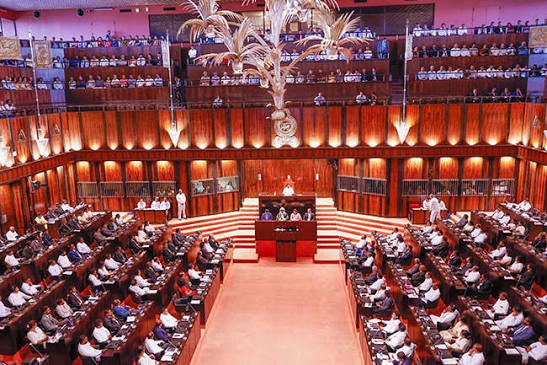
In a significant legislative development, parliamentarians are preparing to officially commence the signing of a No-Confidence Motion (NCM) against the Speaker of Parliament today. The initiation of this process marks a pivotal moment in the current legislative session, signaling heightened political friction and a formal effort by lawmakers to challenge the leadership and rulings of the parliamentary chair.

A No-Confidence Motion against a presiding officer represents one of the most direct oversight mechanisms available to members of parliament. Under established parliamentary protocol, the signing process serves as the preliminary stage to mobilize legislative support. Once a sufficient number of signatures from members of the house are secured, the motion will be formally submitted to the parliamentary secretariat for inclusion on the official order paper.
Key Developments
- Signature Drive Initiated: Lawmakers are officially beginning the process of gathering signatures for the No-Confidence Motion against the Speaker today.
- Formal Parliamentary Procedure: Securing the required signatures is a prerequisite for submitting the motion to the parliamentary secretariat for an eventual floor debate and vote.
- Heightened Legislative Scrutiny: The motion underscores deepening political debate over parliamentary governance, neutrality, and procedure.
As the signature collection begins today, political observers are closely watching to see how much support the motion garners across political factions. The outcome of this signing process will determine whether the motion reaches the floor for formal debate, potentially shaping the legislative agenda and parliamentary dynamics in the days ahead.