
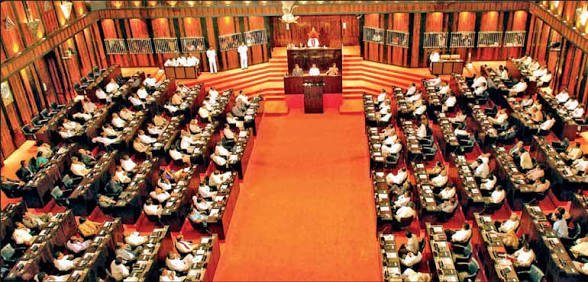
Sri Lankan Parliament Set to Debate Judicial Amendments on September 24-25
The Sri Lankan Parliament is gearing up for a critical session scheduled for September 24 and 25, where lawmakers will deliberate on the highly anticipated 22nd Constitutional Amendment Bill and the Judicature (Amendment) Bill. This crucial legislative undertaking is aimed at addressing pressing issues within the country’s judiciary.

Focus on Judicial Reforms
At the heart of the 22nd Constitutional Amendment is an initiative designed to reform the judicial system, particularly targeting the retirement ages for superior court judges. By redefining these thresholds, the government aims to invigorate the judicial setup, allowing for a fresh influx of legal talent and perspectives. The necessity of these reforms has been underscored by a growing demand for enhanced judicial efficiency and integrity.
Combating Court Backlogs
Complementing the proposed constitutional changes, the Judicature (Amendment) Bill seeks to tackle another significant challenge within the legal system: the notorious backlog of cases plaguing the High Courts. This bill proposes to expand the bench of the High Court, a move that advocates believe will enhance the court’s capacity to manage and resolve outstanding cases effectively.
The backlog has been a critical concern for citizens seeking justice, often resulting in protracted delays that undermine public trust in the legal system. By providing additional judicial resources, the Parliament aims to expedite proceedings and restore faith in the timely administration of justice.
Legislative Context and Implications
The discussions surrounding these amendments come at a time of heightened public scrutiny towards the judiciary. The credibility of Sri Lanka’s legal institutions has faced scrutiny in recent years, making the need for reform not just a legislative priority but also a societal necessity. As Parliament prepares for this important session, the implications of these bills are far-reaching, with the potential to significantly shape the future of legal governance in Sri Lanka.
This upcoming debate is not merely procedural; it represents a pivotal moment for the Sri Lankan legal system, poised to redefine its functionality and responsiveness to the needs of its citizens. The resolutions derived from this session could lay the groundwork for a more equitable and efficient judiciary, directly impacting the lives of countless Sri Lankans.
Looking Ahead
As the nation watches closely, the stakes are high. The decisions made during these parliamentary discussions will resonate beyond the chambers of power, influencing public sentiment and the very fabric of justice in Sri Lanka. The onus now lies with the legislators to champion the cause of judicial reform and deliver a framework that serves the populace effectively and equitably.