
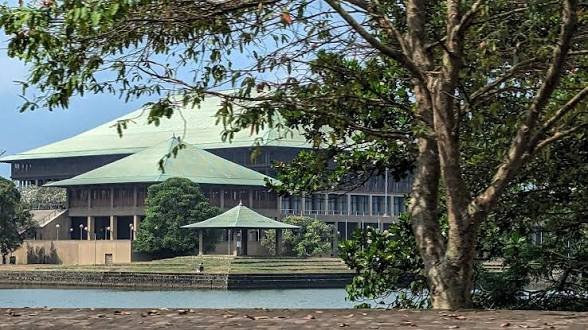
Parliament Demands Comprehensive Assessment of Substandard Coal Shipments
In a significant move this week, Sri Lanka’s Parliament directed a full-scale investigation into the financial ramifications stemming from 19 shipments of substandard coal supplied between January and July 2026. This decision follows earlier disclosures by SJB MP S. M. Marrikkar, estimating losses from nine shipments alone at a staggering Rs. 8.5 billion.

Expanding the Inquiry
Chairman of the Sectoral Oversight Committee on Infrastructure and Strategic Development, Marrikkar revealed that all shipments in question were sourced from the same South African supplier, raising eyebrows about the consistency of quality and accountability. As directed, officials from various public utilities—including the Public Utilities Commission, Lanka Coal Company, and Lakvijaya Power Plant—will form a committee led by the Secretary of the Energy Ministry to quantify the full extent of financial losses and the operational damage sustained by the Lakvijaya Power Plant due to the substandard coal.
Heavy Penalties for the Supplier
The repercussions for the South African supplier are severe. The company has been fined an eyewatering $36.5 million for the delivery of inferior coal, in addition to penalties amounting to $611,000 for delayed shipments. This raises critical questions about not only the quality of resources provided but also the regulatory framework in place to ensure compliance and accountability from international suppliers.
Future Coal Procurement Concerns
Amid ongoing investigations, Marrikkar expressed his concerns regarding the timely procurement of coal needed for future operations. With existing stocks expected to deplete by mid-September, he urged the Energy Ministry to expedite the approval process for calling fresh tenders. Without prompt action, the country risks a significant operational disruption, highlighting the urgent need for a reliable and transparent supply chain in Sri Lanka’s energy sector.
The Broader Implications
This situation underscores a critical challenge facing Sri Lanka’s energy infrastructure—a reliance on external suppliers fraught with risks and potential for loss. As the Energy Ministry grapples with both the fallout of these substandard shipments and the pressing need for ongoing coal procurement, continuous oversight and robust contractual agreements become paramount to safeguarding the nation’s energy future.
The unfolding outcomes of this investigation not only aim to recover financial losses but also serve as a wake-up call for more stringent regulations and proactive measures to ensure quality and reliability in critical energy supplies. With debates ongoing in Parliament, stakeholders will be watching closely as the government navigates this precarious situation.