
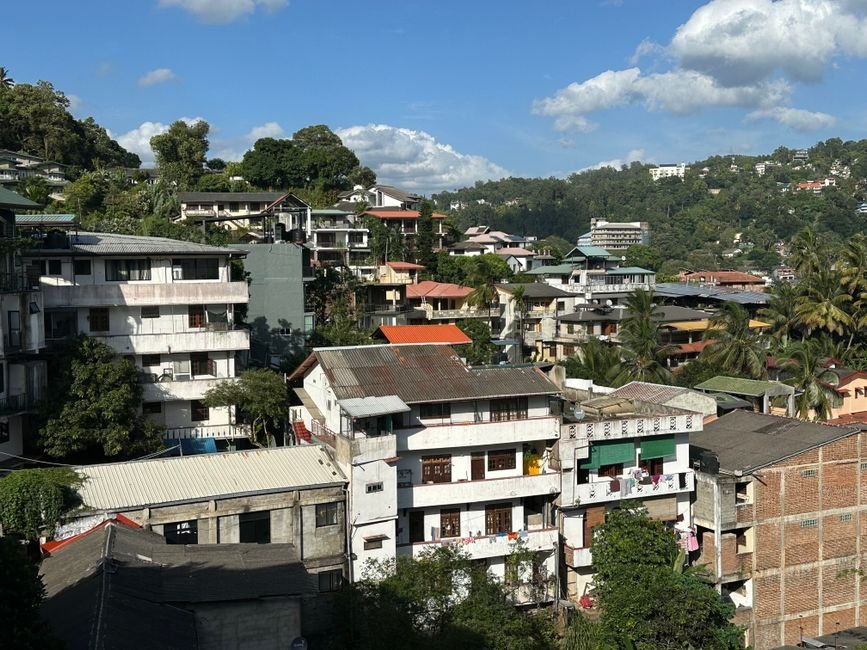
A severe housing deficit continues to impact hundreds of thousands of residents across Sri Lanka, with official governmental disclosures revealing that approximately 600,000 citizens are currently living without safe and secure shelter. The critical figures highlight a persistent humanitarian and infrastructure challenge facing urban, rural, and estate sectors throughout the island nation.

According to ministerial statements addressing the state of national infrastructure and living standards, the widespread shortage of resilient housing leaves families vulnerable to environmental hazards and unsafe structural conditions. The lack of standard living spaces encompasses substandard roofing, precarious building foundations, and limited access to foundational domestic utilities, posing significant risks to affected communities.
The housing crisis highlights the broader economic pressures that have constrained public infrastructure investments and stalled social safety net programs in recent years. Addressing a deficit of this scale requires sustained financial commitment, comprehensive urban and regional planning, and strategic coordination across national and municipal governance bodies to ensure that vulnerable households receive adequate assistance.
Key Developments
- Government assessment confirms that 600,000 Sri Lankans continue to live in unsafe or inadequate housing conditions.
- Deficiencies include structural vulnerabilities, vulnerability to severe weather, and inadequate basic dwelling standards.
- Strategic housing interventions and resource allocation remain essential priorities for long-term social stability and public safety.
As national authorities work to address pressing public welfare priorities, expanding access to secure shelter remains essential to Sri Lanka’s broader social and economic recovery. Closing the housing gap for the hundreds of thousands of affected citizens will be crucial to strengthening community resilience and improving long-term quality of life across the country.