
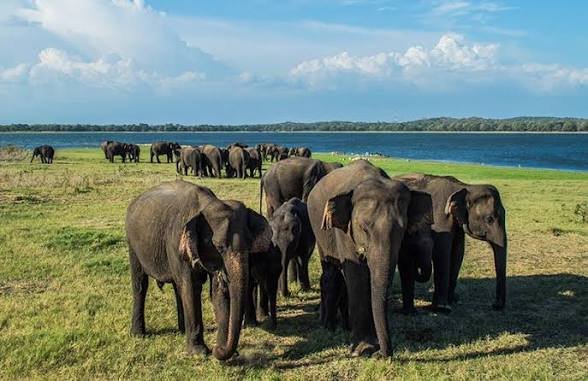
In a striking revelation concerning wildlife welfare and environmental health in Sri Lanka, official statements from a Deputy Minister indicate that approximately 30 percent of the nation’s elephant population is currently suffering from deafness. The significant figure highlights growing concerns surrounding the physical condition and environmental stressors impacting these iconic mammals across the island nation.

The statement underscores an unprecedented health challenge for Sri Lanka’s elephant population. Hearing is a vital sensory capability for elephants, essential for long-range infrasonic communication, herd cohesion, threat detection, and navigation across complex landscapes. With nearly one-third of the population experiencing hearing loss, wildlife managers and conservationists face complex operational and ecological hurdles.
Key Developments
- Government assessment confirmed by a Sri Lankan Deputy Minister reveals that 30 percent of the country’s elephants are deaf.
- The prevalence of auditory impairment poses major risks to natural social dynamics, herd communication, and elephant survival.
- The finding underscores an urgent need for targeted ecological research, physical health evaluations, and heightened protection protocols.
As Sri Lankan authorities address the broader implications of these findings, attention turns to the potential environmental factors and health conditions contributing to widespread hearing loss. Ensuring the long-term protection and well-being of the national elephant population will remain a critical priority for wildlife management and environmental conservation strategies moving forward.