
Namal Rajapaksa Arrested by Bribery Commission: A New Chapter in Sri Lanka’s Corruption Battles
In a significant turn of events in Sri Lanka’s ongoing battle against corruption, Member of Parliament Namal Rajapaksa has been arrested by the Commission to Investigate Allegations of Bribery or Corruption (CIABOC). The arrest occurred today, September 4, 2026, following his summons for questioning related to the highly controversial Airbus deal that has stirred public sentiment and raised eyebrows across the nation.

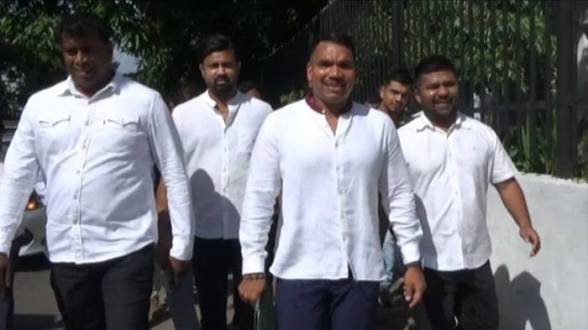
Namal Rajapaksa, the son of former President Mahinda Rajapaksa, arrived at the CIABOC offices this morning after receiving a formal notification. He spent over five hours providing his statement to investigators before being taken into custody. This latest development adds a new layer of complexity to a political landscape already fraught with allegations and scrutiny.
A Critical Investigation
The probe into the Airbus deal has become a focal point in the discourse surrounding corruption in Sri Lanka. Allegations have been swirling regarding potential kickbacks and unethical dealings tied to the multi-million-dollar contract for Airbus aircraft, which the government previously procured. The Bribery Commission’s investigation is viewed as crucial in holding those in power accountable and restoring faith in governance.
This incident further complicates the Rajapaksa family’s political dynasty as they have faced numerous allegations during their tenure, with many citizens disillusioned by repeated claims of corruption within the ruling elite. The arrest has sparked a variety of reactions, reflecting the deep divisions in public opinion regarding the Rajapaksa legacy.
The Implications of Rajapaksa’s Arrest
As the eldest son of a prominent political figure, Namal Rajapaksa’s arrest not only impacts his personal reputation but also poses questions about the future of the Sri Lanka Podujana Peramuna (SLPP) party he represents. This could potentially fuel further protests and unrest among citizens demanding transparency and accountability from their elected officials.
The timing of the arrest holds particular significance as Sri Lanka grapples with multiple issues, including economic recovery and political stability. Observers anticipate that this event may catalyze other investigations into public officials, possibly signaling a broader attempt to tackle pervasive corruption within the government.
A Call for Accountability
The CIABOC’s actions in this case underscore a pivotal moment in Sri Lanka’s journey toward improved governance. Many citizens are now hoping for substantive outcomes from these proceedings that can herald a new era of transparency and reduced corruption. Will this arrest be the turning point needed to foster a culture of accountability, or will it merely serve as another chapter in a long-standing narrative of political impunity?
Only time will tell, but for now, Namal Rajapaksa joins a growing list of officials facing scrutiny, as Sri Lanka continues its struggle against corruption.