
Congress MP Urges Government Action for Detained Fishermen
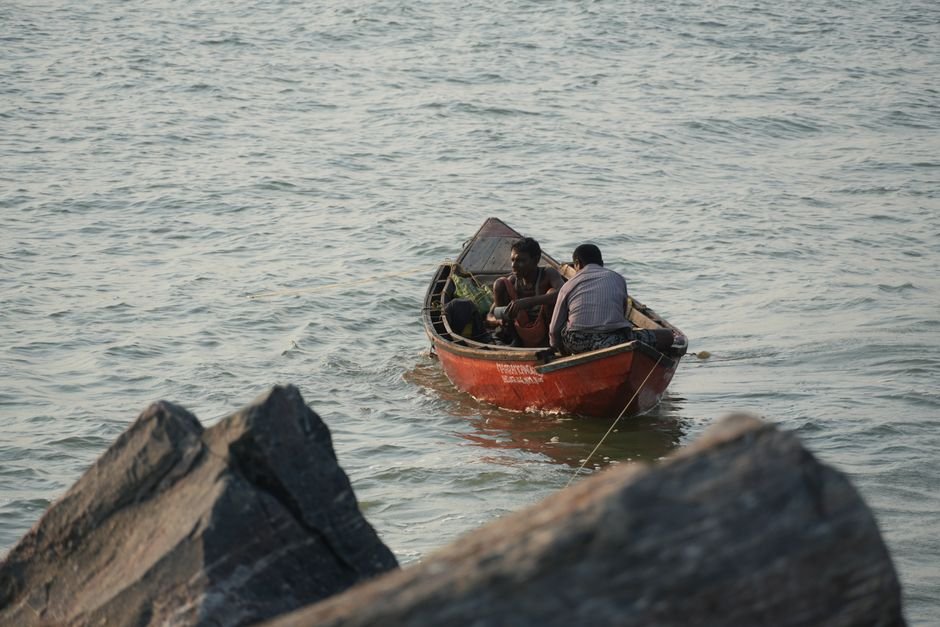
In a pressing diplomatic plea, Congress MP Manickam Tagore has called upon External Affairs Minister S. Jaishankar to facilitate the immediate release of 11 Indian fishermen who were detained by the Sri Lankan Navy. The fishermen, hailing from Rameswaram, Pamban, Thangachimadam, and Kerala, were apprehended on August 6 after their fishing vessel suffered a technical malfunction, leading them inadvertently into Sri Lankan waters.

The Incident Detail
According to Tagore’s letter to Jaishankar, the fishermen set sail from Rameswaram jetty with proper documentation, only to face mechanical problems while fishing. The boat, owned by an individual named Ramesh, lost control and drifted into what are considered foreign waters. This incident underscores the longstanding vulnerabilities faced by fishermen along the India-Sri Lanka maritime boundary, where mechanical failures often lead to unintended transgressions.
Emotional and Economic Impacts
Tagore highlighted the emotional strain on the families of the detained fishermen, particularly emphasizing the case of Rohan, aged 35, from Kerala. Repatriating these fishermen is not just a humanitarian concern but also an economic one, as the fishing community in these regions heavily relies on such livelihoods. Detentions like these evoke fear and trepidation among coastal communities, causing distress that resonates far beyond individual fishing vessels.
A Call for Bilateral Protocols
In his correspondence, Tagore proposed that the Indian government engage with Sri Lanka to devise a bilateral protocol that addresses incidents where boats inadvertently cross maritime boundaries due to mechanical failures or natural drift. Establishing a structured mechanism could mitigate misunderstandings and enhance cooperation, allowing for smoother resolutions in future scenarios. This proactive approach could foster goodwill and trust between the neighboring nations, which is particularly important in the context of regional stability.
Government Responsibility and Next Steps
Tagore’s request to direct the High Commission of India in Colombo to coordinate with Sri Lankan authorities is crucial for the timely release of the captured fishermen and the recovery of the fishing vessel. The urgency of this appeal calls into question the responsiveness of the Indian government to the challenges faced by its coastal communities. How effectively does the government prioritize the protection of its citizens, particularly in disputes such as these with neighboring countries?
Conclusion
The plight of these 11 fishermen is a reflection of broader issues involving sovereignty, national security, and the economic livelihood of those dependent on maritime activities. As the situation unfolds, the outcomes of Tagore’s requests will serve as indicators of the Indian government’s capability and responsiveness to safeguard its maritime citizens while fostering diplomatic relations with Sri Lanka. The necessity for comprehensive frameworks to handle such maritime incidents has never been more apparent.