

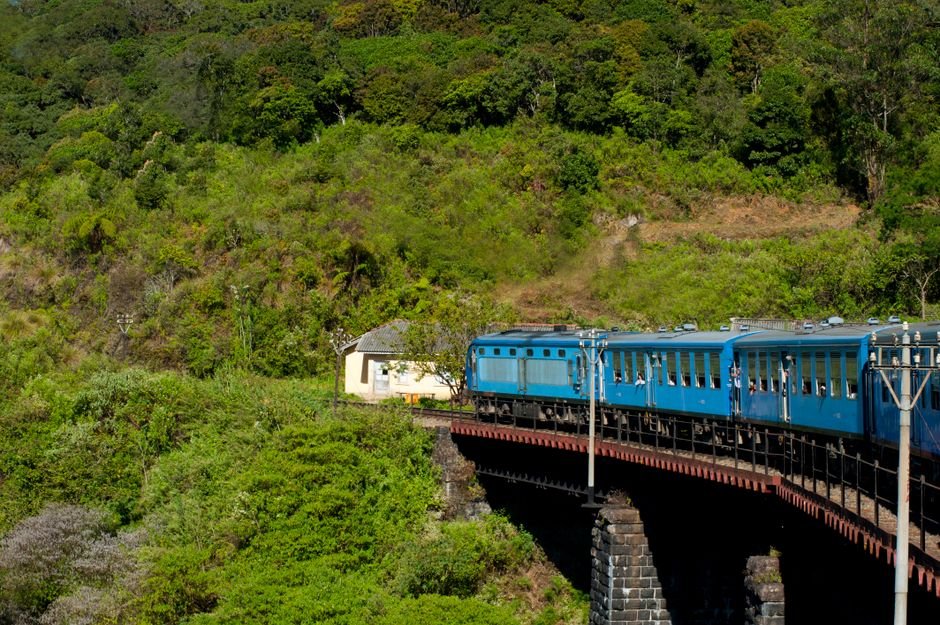
Sri Lanka’s economic recovery and long-term modernization efforts have brought national transportation planning into sharp focus, with key structural reforms taking center stage to drive economic growth and public mobility. Modernizing the island’s transit networks remains central to lowering logistics costs, easing urban congestion, and enhancing regional connectivity.

As national planners and policymakers assess the future of the sector, strategic attention is directed toward three core priorities essential for nationwide progress: modernizing public mass transit, upgrading freight and regional logistics corridors, and advancing sustainable, energy-efficient transport solutions. Addressing these areas is critical for stabilizing municipal transit operations and reducing import dependence on fossil fuels.
Key Priorities for Transport Modernization
- Mass Transit and Rail Modernization: Enhancing the reliability, frequency, and integration of bus and rail networks to handle rising commuter volumes in major metropolitan zones.
- Freight and Supply Chain Corridors: Upgrading road networks and port-rail links to accelerate commercial distribution across regional hubs.
- Energy Sustainability and Digital Systems: Deploying smart ticketing, route optimization technologies, and lower-emission transit alternatives to streamline operating costs and reduce environmental impact.
Efficient transportation infrastructure serves as the backbone for national productivity, enabling workforce mobility and market access across Sri Lanka’s diverse provinces. Prioritizing structured capital investments and regulatory consistency within the transport sector will be decisive in supporting industrial development and sustaining broader economic stability.