
Foreign Secretary Misri’s Visit to Sri Lanka: A Step Toward Strengthening Bilateral Ties
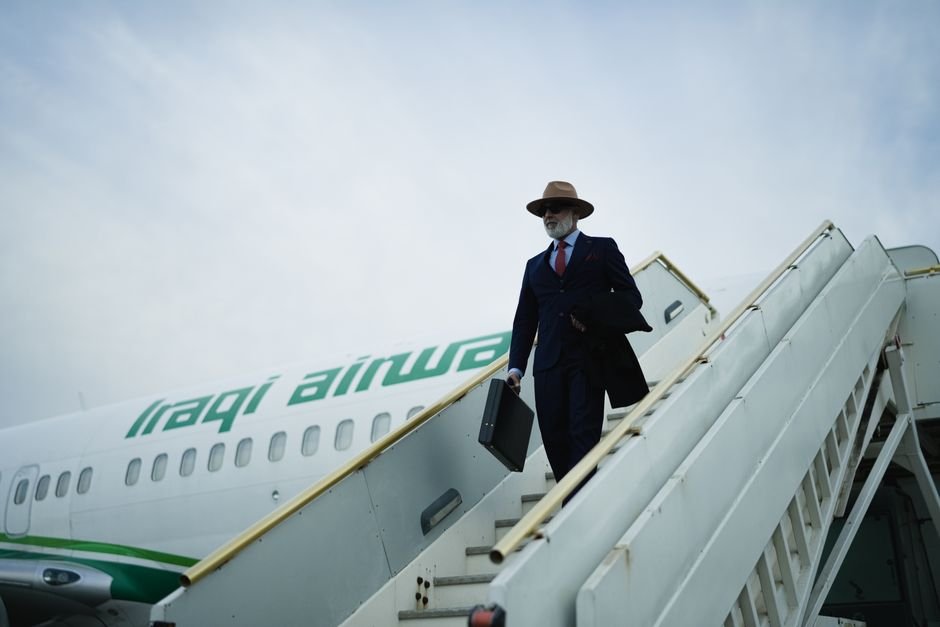
Foreign Secretary Vikram Misri’s arrival in Colombo on August 5 marks a significant moment in the ongoing diplomatic engagement between India and Sri Lanka. This one-day visit is framed as an opportunity to review bilateral cooperation and engage with the top leadership of Sri Lanka, underscoring the necessity of strengthening ties between the two neighboring nations.

Key Meetings and Strategic Alliances
During his visit, Misri is scheduled to meet Sri Lankan President Anura Kumara Dissanayake, Prime Minister Harini Amarasuriya, and Foreign Minister Vijitha Herath, among others. Such high-level meetings are essential in solidifying India’s strategic interests within the region, particularly as Sri Lanka navigates its own geopolitical landscape amidst competing influences.
It is noteworthy that the Indian High Commission has emphasized the continuity of high-level exchanges. The phrase “building on regular high-level exchanges” indicates an ongoing commitment rather than a reactive approach. However, this raises the question—what tangible outcomes can be expected from such meetings? While rhetoric around collaboration is abundant, it is often accompanied by a lack of clear, measurable achievements.
Economic Cooperation and Development Funding
The backdrop of Misri’s visit includes his recent engagements in Bhutan and China, highlighting India’s broader regional strategy. In Bhutan, he co-chaired the Development Cooperation Talks, reviewing a substantial support package of Rs 10,000 crore earmarked for Bhutan’s 13th Five-Year Plan (2024-29). Additionally, 12 new Project Tied Assistance projects worth Rs 332 crore were approved. These figures demonstrate India’s proactive financial involvement in its vicinity, a stark contrast to the more ambiguous benefits articulated for Sri Lanka.
As the Sri Lankan High Commissioner to India, Mahishini Colonne, noted, the visit underscores the importance of continued engagement. Yet, the efficacy of this engagement remains under scrutiny. Will the discussions lead to concrete projects or economic assistance comparable to what has been pledged to Bhutan? The gap in commitments to different countries illustrates an uneven approach that raises questions about the prioritization of partnerships based on strategic convenience over equitable cooperation.
Regional Implications and Future Outlook
Misri’s visit follows direct diplomatic interactions with China, further asserting India’s desire to maintain a foothold in a region where Chinese influence has significantly increased. The need for India to reaffirm its relationships in South Asia, particularly in face of escalating geopolitical tensions, cannot be overstated. However, as stakes rise, the Indian government must ensure that its diplomatic overtures are met with substantial commitments that translate into development and stability.
Ultimately, while Foreign Secretary Vikram Misri’s visit to Sri Lanka appears promising on the surface, there remains an urgent need for India to convert diplomatic rhetoric into actionable plans. Success will be measured not merely by high-level discussions but by the tangible benefits engendered for both nations, fostering sustainable partnerships that transcend mere political posturing.