
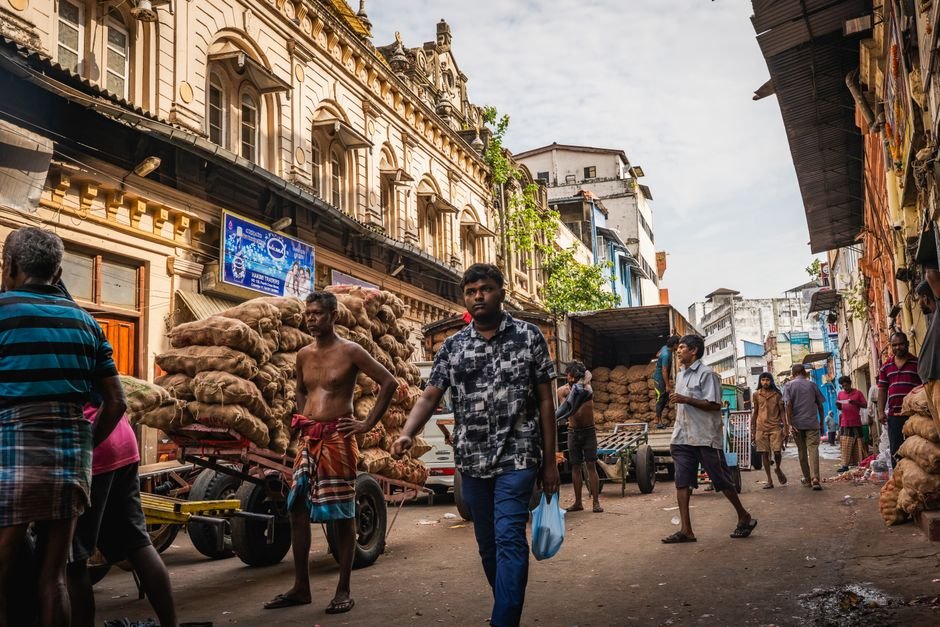
While Sri Lanka’s broader economy shows initial signs of stabilization and headline macroeconomic recovery, individual households across the island nation continue to grapple with persistent financial distress. The stark divergence between top-line national economic indicators and microeconomic realities highlights a complex recovery landscape, where national stabilization measures have yet to translate into meaningful relief for daily living standards.

In recent months, national economic indicators have pointed to stabilized currency performance, moderated headline inflation, and renewed fiscal momentum as signs of broader systemic healing. However, at the household level, families face sustained pressures from elevated living costs, lingering debt burdens, and reduced real purchasing power. Essential goods, energy costs, and service expenses remain high compared to historical baselines, leaving many families struggling to rebuild domestic savings and secure basic necessities.
Economic analysts emphasize that structural recoveries often exhibit a significant time lag between national balance sheet repair and domestic financial well-being. Although macroeconomic adjustments have restored a measure of predictability to broader financial markets, real wage growth has largely failed to match cumulative price increases. Consequently, even as national output stabilizes, household budgets remain severely constrained across both urban and rural communities.
Key Developments
- Macroeconomic Divergence: Broader economic indicators reflect stabilization, yet household-level financial relief remains slow and uneven across the nation.
- Persistent Cost Pressures: High cumulative prices for food and essential services continue to weigh heavily on family budgets despite lower inflation growth rates.
- Delayed Household Benefit: Fiscal stabilization measures have restored financial predictability to markets, but the benefits have yet to meaningfully improve daily living standards.
As Sri Lanka continues its economic rebuilding effort, bridging the gap between top-level macroeconomic recovery and everyday household stability remains a primary challenge. Sustainable long-term progress will depend on ensuring that broader financial recovery translates into restored purchasing power, job growth, and relief for ordinary citizens across the country.