
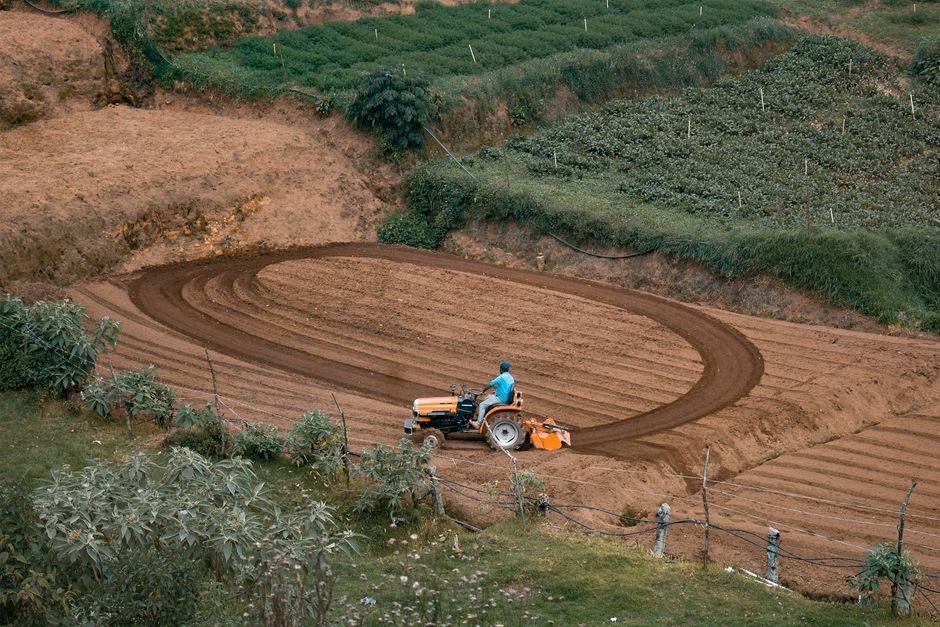
When Sri Lanka announced a complete overnight ban on synthetic fertilizers in 2021 in a bid to become the world’s first 100% organic farming nation, the goal seemed ambitious. However, the rapid policy shift led to a catastrophic drop in crop yields, severe food shortages, and a deepening economic crisis. Today, as New Zealand evaluates its own agricultural policy and green transition pathways, experts warn against top-down, rushed environmental mandates.

Key Highlights
- Sri Lanka’s abrupt ban on chemical fertilizers severely damaged key crops like rice and tea, crippling its economy.
- A lack of transitional support, scientific backing, and organic alternatives exacerbated the food crisis.
- New Zealand policymakers are urged to adopt gradual, evidence-based agricultural policies to protect both export security and domestic supply.
The failure of Sri Lanka’s policy stemmed from its execution rather than the concept of organic farming itself. Farmers were given little notice and minimal access to viable organic alternatives or training. Tea production—one of the country’s primary export earners—fell dramatically, while staple food crops like rice plunged by nearly half, forcing Sri Lanka to import food at exorbitant costs during a foreign currency reserve crisis.
For New Zealand, an agricultural powerhouse heavily reliant on food exports, the crisis serves as a case study in risk management. While consumer demand for low-emissions and sustainably produced goods is growing worldwide, agricultural leaders emphasize that sustainability goals must be balanced with practical, science-led strategies that safeguard farm productivity and national food security.