
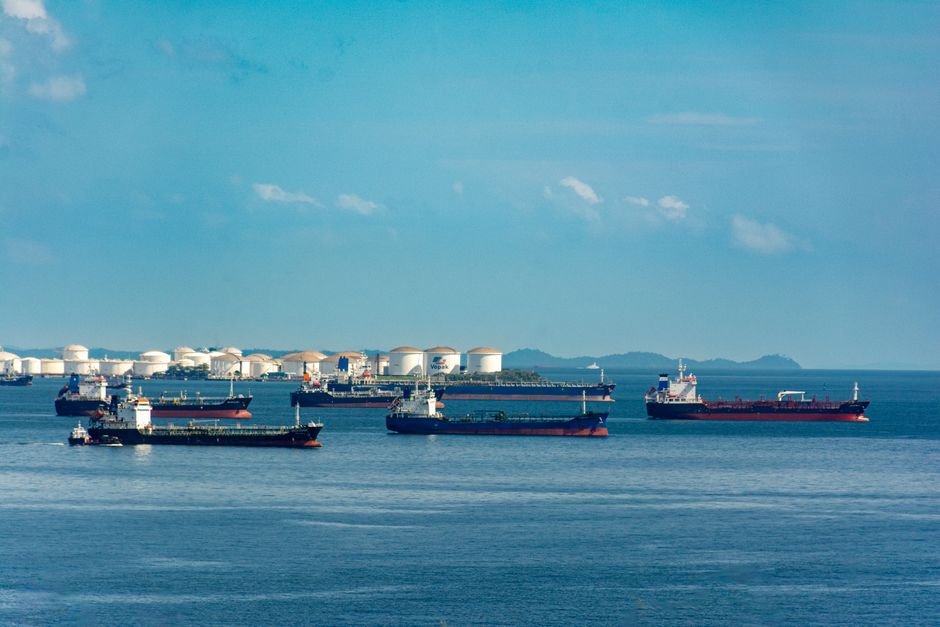
A growing fleet of Iranian oil tankers has been forced to anchor in international waters off the coasts of Sri Lanka and Malaysia, as intensified U.S. sanctions enforcement and heightened maritime tracking hamper Tehran’s ability to offload its crude exports.

Key Highlights
- Multiple Iranian crude carriers remain idling in Southeast Asian waters due to strict enforcement of U.S. trade restrictions.
- Malaysia and Sri Lanka continue to serve as key transshipment zones now facing increased international regulatory scrutiny.
- The floating standoff underscores the escalating friction between U.S. sanctions policy and Tehran’s covert energy trade networks.
The waters surrounding Malaysia and Sri Lanka have long served as vital transit hubs where Iranian vessels engage in covert ship-to-ship (STS) transfers to obscure the origin of their cargo before delivering crude to Asian markets. However, recent pressure from Washington has left regional buyers, port operators, and maritime service providers reluctant to facilitate these operations.
With secondary sanctions threatening foreign entities that engage with Iranian energy assets, local authorities are increasingly turning away flagged or suspected vessels. As a result, millions of barrels of crude remain floating at sea without clear destinations, placing significant strain on Iran’s logistics infrastructure and highlighting the broader geopolitical impact on global maritime trade routes.