
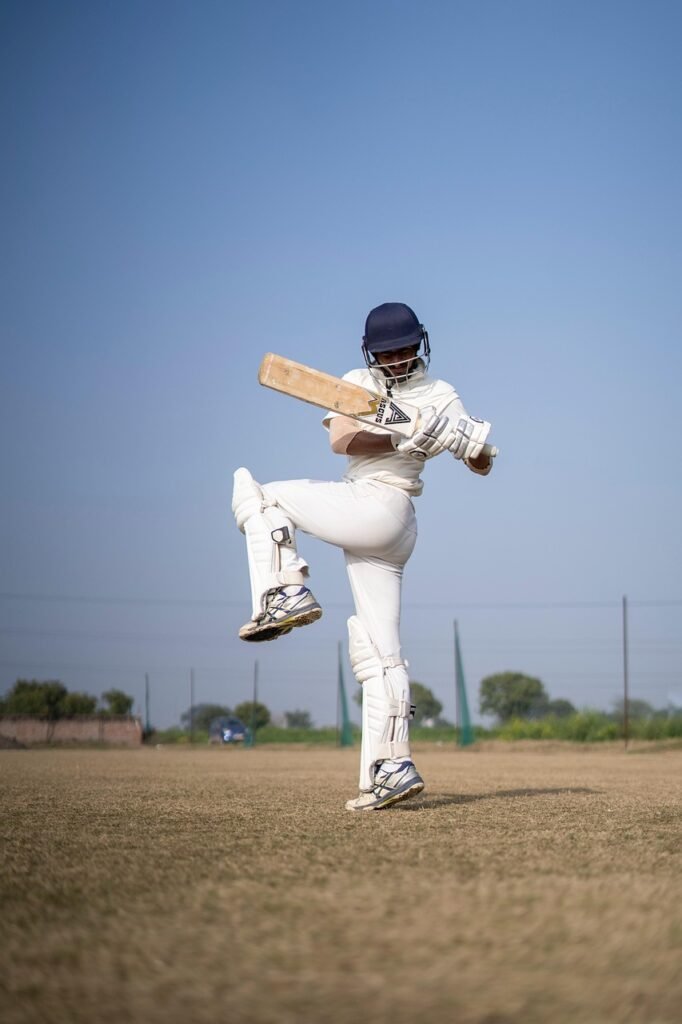
The announcement of India’s national men’s cricket team tour of Sri Lanka in 2026 raises several questions that reach beyond the excitement of on-field matches. This tour holds significance not only for the cricketing calendar but also for the sports diplomacy and economic implications entwined with it.

Firstly, the timing of such tours is critical. The year 2026 is not just any other year; it marks a transformative period for Sri Lanka Cricket, as the organization strives to reinvigorate its standing in international cricket post-economic distress and pandemic-related challenges. The exact nature of the tour—its venues, match formats, and scheduling—could either bolster or further challenge the cricketing infrastructures in the country. A well-structured tour can serve as a much-needed income source, providing financial infusion to support local players and grassroots initiatives. Conversely, the potential for logistical mismanagement or inadequate preparations cannot be understated.
India’s involvement is especially pivotal. With India traditionally being a powerful force in cricket, their tours tend to attract significant viewership and sponsorship. Such an event can boost Sri Lanka’s visibility on the global stage, drawing attention not only to cricket but also to the nation as a viable tourist destination. The outcome of such exposure can hinge on operational execution; ensuring safety and enhancing fan engagement through innovative matchday experiences are crucial in making good on the tour’s potential.
However, one must consider underlying socio-political tensions in Sri Lanka that could overshadow sports engagements. The cricketing landscape cannot be separated from the country’s long-standing issues such as political instability, economic challenges, and public sentiment toward international visitors. For the tour to achieve its fullest potential, it will require careful navigation of these circumstances, ensuring that the cricketing framework does not become entangled in the tumult of societal unrest.
Moreover, as discussions surrounding the tour progress, transparency in financial dealings and contracts is essential. Clarity regarding broadcasting rights, player payments, and ticket revenue distribution will provide much-needed trust among stakeholders. The success of the tour should not be merely measured in attendance figures or match results but also in its contribution to national pride and economic rejuvenation.
Ultimately, the India national men’s cricket team’s tour of Sri Lanka in 2026 represents an opportunity for renewal and repair. If managed well, it can serve as a beacon of hope for both nations, fostering goodwill and showcasing the unifying power of sport in otherwise fractured times. The stakes are high, and the eyes of the cricketing world will undoubtedly be focused on how this tour unfolds, the scrutiny intensifying as 2026 approaches.