
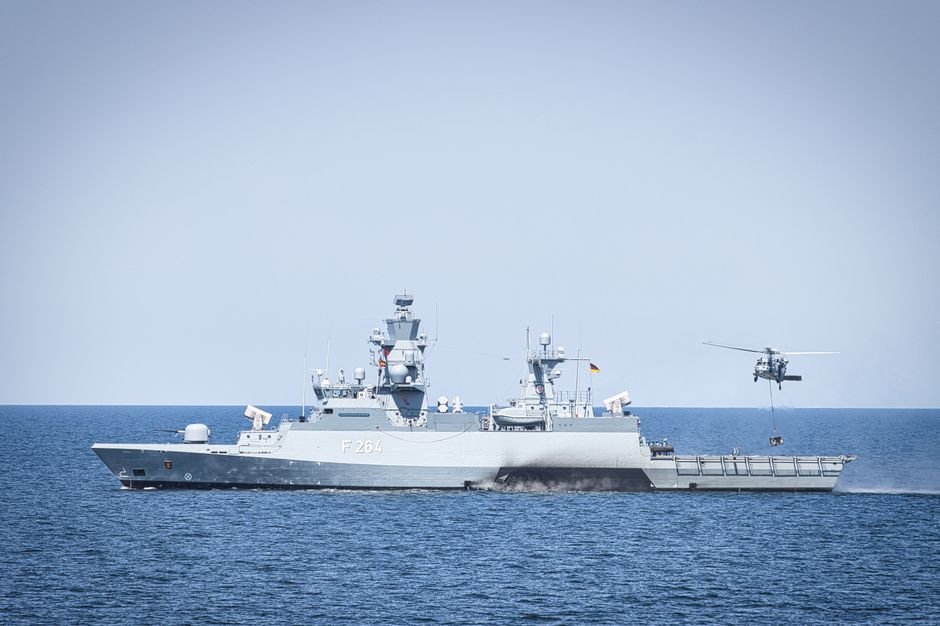
In a major push toward enhancing regional security and defense cooperation, the Indian Armed Forces have conducted a series of comprehensive joint military and naval exercises alongside key international partners, including the United States, Japan, and Sri Lanka.

Key Highlights
- High-level joint drills designed to boost interoperability, tactical coordination, and mutual readiness.
- Focus on maritime security, domain awareness, counter-terrorism operations, and emergency response capabilities.
- Underscores a shared commitment among partner nations to ensure a free, open, and stable Indo-Pacific region.
The series of tactical maneuvers and strategic exercises spanned key defense domains, integrating naval assets, ground troops, and specialized units. The collaborative drills focused on refining joint combat tactics, streamlining operational command structures, and conducting advanced maritime surveillance across strategic sea lanes in the Indian Ocean.
Engagements with the US and Japan—strategic partners in the Quad framework—emphasized complex anti-submarine warfare, air defense operations, and seamless coordination between modern naval fleets. These exercises highlight the deepening security architecture intended to maintain balance and secure crucial international shipping channels against emerging global threats.
Simultaneously, India’s joint exercise with Sri Lanka reinforced maritime domain awareness, search-and-rescue operations, and regional counter-insurgency readiness. As South Asia’s maritime landscape continues to evolve, defense analysts view these synchronized military engagements as a decisive statement of strategic alignment, operational preparedness, and collective security in the region.