
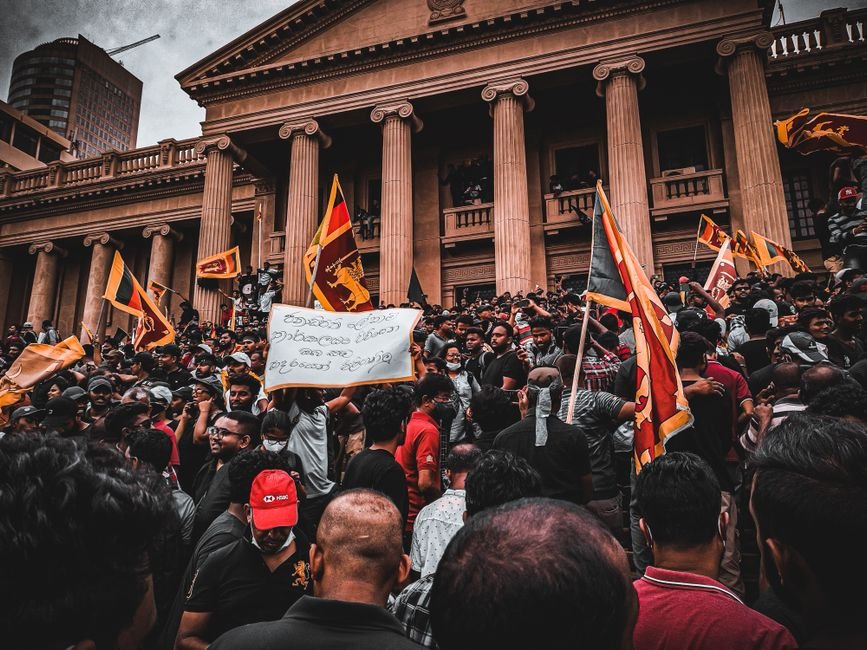
Sri Lanka continues to face sharp international scrutiny over its handling of historical human rights violations and accountability, according to a report by Human Rights Watch (HRW). The international rights monitor highlighted that despite repeated commitments from government officials, meaningful steps toward delivering justice for past abuses remain slow and largely superficial.

Key Highlights
- Human Rights Watch characterizes Sri Lanka’s progress on rights accountability as minimal and inadequate.
- Decades of unresolved civil war-era atrocities and recent civic space restrictions continue to linger without legal resolution.
- Rights advocates urge international bodies to maintain active oversight and press Colombo for structural reforms.
The evaluation underscores widespread skepticism surrounding domestic justice initiatives proposed by the Sri Lankan government. Rights groups and victims’ families argue that local reconciliation mechanisms lack independence, transparency, and credibility required to hold perpetrators accountable.
As international stakeholders, including the United Nations Human Rights Council, continue to track Sri Lanka’s commitments, HRW urges global partners to condition economic and diplomatic engagements on concrete improvements in human rights and legal accountability.