
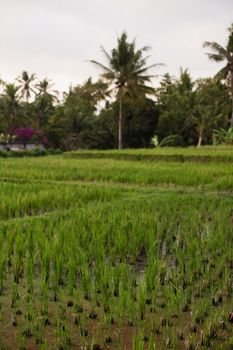
Government Boosts Paddy Procurement with Additional Rs. 2.5 Billion
In a strategic move aimed at supporting local farmers, the Sri Lankan government is set to request Cabinet approval for an additional Rs. 2.5 billion to enhance paddy purchases for the current Yala season. This announcement was made by Minister of Trade, Commerce, Food Security, and Cooperative Development Wasantha Samarasinghe during a recent event in Kahatagasdigiliya, Anuradhapura. The initiative underscores the government’s commitment to ensuring stability in the agricultural sector amidst economic challenges.

Addressing Farmer Challenges
Minister Samarasinghe emphasized the government’s proactive approach in facilitating a better environment for paddy farmers, particularly those struggling with procurement issues. He noted that discussions between President Anura Kumara Dissanayake, large-scale mill owners, small-scale mill owners, and Paddy Marketing Board officials are crucial in formulating a comprehensive solution that benefits all stakeholders involved.
Recognizing the importance of safeguarding farmers’ livelihoods, the government is not merely engaging in discussions; it is implementing tangible solutions. The financial allocations made to the Paddy Marketing Board are designed to streamline the purchase process, ensuring that farmers receive fair compensation for their hard work.
Financial Allocations to Support Farmers
During the year 2026, the government had already allocated Rs. 10 billion for paddy purchases during the Maha season. To address the current requirements for the Yala season, Rs. 6 billion has already been released, with the proposed Rs. 2.5 billion aimed at reinforcing these efforts.
Furthermore, the government has initiated support measures targeted at small and medium-scale rice mill owners, many of whom have expressed a desire to purchase paddy but lacked adequate financial resources. Interest-free loan facilities are being introduced for these millers, enabling them to buy paddy directly from farmers at a government-guaranteed price of Rs. 120 per kilogram.
Encouraging Sustainable Farming Practices
Currently, nearly 60 rice mills in Anuradhapura have benefited from this financing initiative, which will help them procure paddy while adhering to a favorable repayment plan over an eight-month period. This proactive strategy not only assures farmers of a market for their produce but also stabilizes the rice supply chain critical for local consumption.
The government’s efforts to secure additional funding and financial support for farmers and mill owners reflect a broader strategy to bolster the agricultural sector and ensure food security. As these initiatives roll out, the solidarity between government, farmers, and mill owners could pave the way for a sustainable agricultural framework in Sri Lanka.