
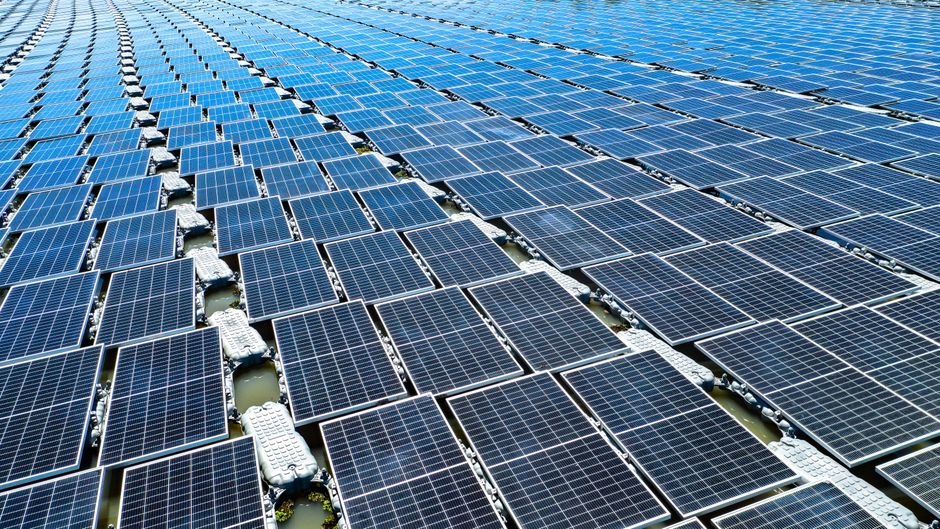
Sri Lanka is expanding its clean energy landscape through the deployment of floating solar technology, marking a significant move to harness water bodies for renewable power generation. This shift toward floating photovoltaic systems represents an innovative approach in the nation’s broader green transition, enabling clean energy generation without consuming valuable land resources. However, as momentum builds around aquatic solar installations, recent policy shifts are introducing unexpected challenges for the country’s established rooftop solar industry.

The integration of floating solar systems offers dual advantages for energy development, utilizing reservoirs and lakes to generate electricity while simultaneously reducing water evaporation. This strategy is increasingly viewed as a vital pillar in scaling up clean energy capacity to meet growing national demand. The expansion onto water surfaces highlights a modernizing energy grid focused on diversifying clean power sources across different environments.
In contrast, the decentralized rooftop solar sector is navigating an increasingly complex operational landscape following strategic policy adjustments. Regulatory shifts affecting tariff structures, grid integration terms, and administrative support have altered the financial landscape for residential and commercial rooftop solar adopters. Energy advocates emphasize that maintaining steady growth across both utility-scale floating projects and localized rooftop generation will require balanced regulatory frameworks.
Key Developments
- Floating Solar Expansion: Sri Lanka is taking its green energy initiatives onto water bodies, leveraging reservoirs for floating solar power generation.
- Rooftop Sector Hurdles: Recent shifts in energy policy have created new financial and regulatory challenges for localized rooftop solar installations.
- Energy Transition Strategy: Planners face the challenge of aligning policy incentives to support both large-scale aquatic installations and decentralized rooftop systems.
As Sri Lanka continues to develop its renewable infrastructure, harmonizing policy between floating and rooftop solar initiatives will be crucial for long-term sustainability. Creating stable guidelines will ensure that both aquatic and localized solar sectors can effectively contribute to the nation’s clean energy target.