
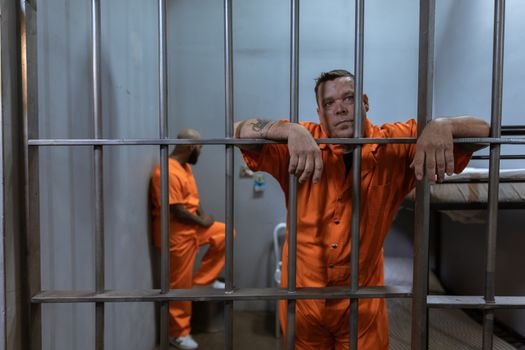
The recent unrest at the Negombo prison in Sri Lanka, which resulted in the tragic deaths of 12 inmates, opens a critical inquiry into the systemic failures of the island nation’s penal system and the broader implications for governance and human rights. As families of victims mourn their loss, the question lingers: why does this violence continue to plague Sri Lanka’s correctional facilities?

The statistics from the prison riot, which saw nearly 300 inmates involved, highlight a deadly convergence of overcrowding and insufficient resources. With Sri Lanka’s prison population soaring past 38,000 for facilities designed to hold merely 11,000, one must question the state’s commitment to rehabilitating rather than punishing. This alarming rate of overcrowding not only fosters a volatile environment but also exacerbates pre-existing tensions among inmates who are already vulnerable and marginalized.
Adding to the tragedy is the visceral grief expressed by the families of the victims. Their devastation underscores not just a loss of life but a profound disillusionment with a system that seems incapable of protecting those entrusted to its care. Instead of justice, families are left grappling with unanswered questions about the circumstances that led to this violent outbreak. The chaotic scenes that unfolded serve as a glaring reminder that prisons are not merely holding cells but should transform lives.
Public outcry following the incident raises pressing concerns regarding accountability and transparency. The Sri Lankan government’s response, or lack thereof, reflects an unsettling trend in handling issues within correctional facilities. The recurring cycle of riots and fatalities places a spotlight on the urgent need for governmental reforms, aimed at ensuring human rights are upheld even within the confines of prison walls.
Furthermore, the Negombo incident shines a light on the broader societal issues in Sri Lanka, such as unemployment, drug addiction, and socioeconomic disparities, that contribute to crime and ultimately, incarceration. The systemic incapacity to address these root causes fuels a criminal justice system that perpetuates suffering and instability. A society that fails to protect its most vulnerable can only expect more turmoil.
In addressing the aftermath of this tragedy and seeking actionable change, it is imperative to focus not just on punitive measures but on rehabilitation and reintegration strategies. The Negombo prison fiasco should catalyze a profound re-evaluation of resource allocation within the penal system and foster dialogue about humane treatment and support for those incarcerated.
The families of those lost in this chaos deserve answers and justice, and perhaps, their cries will be the catalyst for a much-needed overhaul of a broken system. Ultimately, reforming Sri Lanka’s prisons could pave the way for a more just society—one where loss does not become a mere statistic, but a call to action.