
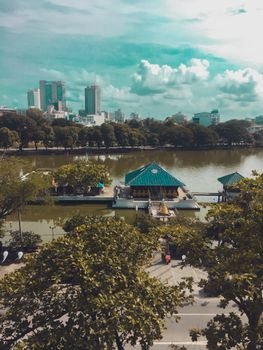
Colombo’s portrayal as a vibrant tapestry of culture, spirituality, and leisure is underscored by its wide array of attractions—from temples and mosques to lakes and parks. Such diversity mirrors not just the city’s architectural heritage but also its multi-religious fabric, where each facet intertwines to form a distinctive urban identity. However, a closer examination reveals deeper layers, raising questions about the management and promotion of these vital spaces.

Temples and mosques dotting the landscape serve not just as places of worship but as critical sites for community gathering and engagement. While these structures reflect historical intricacies, the challenge lies in ensuring they remain accessible and relevant to both locals and tourists. Are they adequately maintained? What measures are in place to encourage interfaith dialogue in these sacred spaces? The potential for these sites to foster understanding and respect is substantial, yet it hinges on active, thoughtful stewardship.
Lakes and parks offer a necessary reprieve from the urban hustle, providing a contrasting backdrop to the crowded streets of Colombo. They embody wellness and leisure, essential components for a city’s livability. Yet, the increasing pressures of urbanization often encroach upon these green havens. Are conservation efforts keeping pace with development? The preservation of natural spaces is not merely about aesthetics or tourism appeal; it speaks to the overall environmental health and sustainability of the city.
In promoting such attractions, the economic implications cannot be overlooked. The influx of tourists to Colombo brings with it an opportunity for local businesses and artisans. However, are economic policies being designed to ensure that this influx supports the community rather than merely enriching external corporations? The essential question remains: how can Colombo balance growth with authenticity, ensuring that its cultural enrichments do not become commodified to the detriment of its residents?
Lastly, the role of government and local authorities in curating and facilitating experiences at these sites must be scrutinized. Investment in infrastructure, cleanliness, safety, and informational signage will determine whether visitors—and locals—fully engage with what Colombo has to offer. In a city rich with history, modernity, and spiritual depth, the responsibility of preserving and promoting these gems lies with those in power. To elevate Colombo beyond mere tourism statistics to a thriving cultural destination, a commitment to stewardship must resonate through policy decisions and community initiatives alike.
The attractions in Colombo are undoubtedly numerous and captivating, yet their true potential is contingent upon deliberate efforts that prioritize sustainability, community involvement, and respectful engagement with both culture and environment. It is from this foundational understanding that Colombo can rise confidently, not just as a destination but as a beacon of cultural richness and urban vitality.