

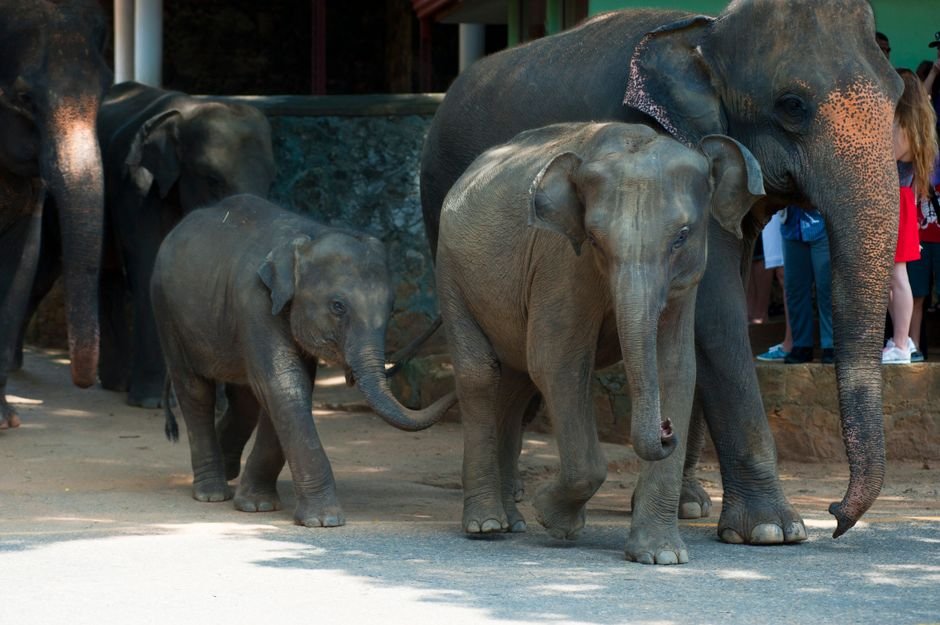
The persistent conflict between human populations and wild elephants across Sri Lanka continues to yield fatal consequences, intensifying pressure on rural communities and wildlife management authorities. Clashes between expanding settlements and elephant habitats have increasingly resulted in casualties on both sides, underscoring an enduring environmental and public safety crisis.

The root of the crisis lies in the steady encroachment of agricultural activities and residential developments into traditional elephant migratory corridors. As natural foraging grounds diminish, wild herds increasingly venture into cultivated farmlands and villages in search of food and water, precipitating frequent, dangerous encounters with residents seeking to protect their crops and property.
Key Developments
- Deadly confrontations between rural villagers and wild elephants continue to register severe casualties across contested territories in Sri Lanka.
- Habitat fragmentation and human encroachment into established wildlife corridors remain primary drivers of the ongoing friction.
- Local communities face heightened safety risks alongside severe agricultural and infrastructure losses caused by foraging herds.
Mitigating the crisis requires balancing biodiversity conservation with the immediate socioeconomic needs of agrarian communities. Without structural solutions such as restored migration corridors, sustainable land zoning, and reinforced non-lethal barriers, interactions between rural residents and native elephant herds will continue to carry significant hazards for local livelihoods and animal preservation alike.